
All Ghana Festivals in September
Ghana Festival Calendar · Month 9 of 12
September Festivals in Ghana
The biggest festival month in the country. Cape Coast cleanses itself, Akropong purifies its ancestral stools, the western coast is still celebrating Kundum, and if you can only visit Ghana once for its festivals — come now.
Before you book flights
Almost no Ghanaian festival has a fixed Gregorian date. Most follow traditional calendars, lunar cycles or a decision taken by the traditional council a few weeks beforehand. Fetu Afahye is the most dependable this month — traditionally the first Saturday of September — but even that is worth confirming.
Never book a non-refundable flight around a festival date you found online — including on this page. Confirm with the traditional council, the district assembly or a local contact first. Cape Coast fills up for Fetu Afahye, so book accommodation as soon as the date is announced.
-
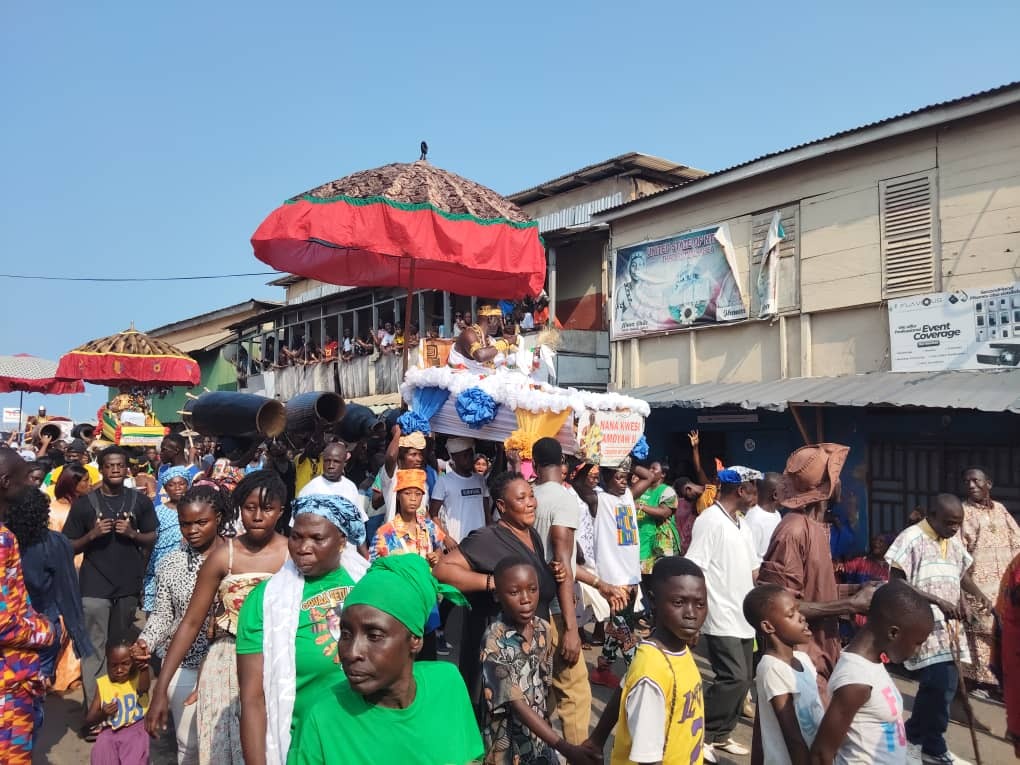
Fetu Afahye — When Cape Coast Cleanses
The biggest festival of the month and one of the great spectacles in West Africa. The Oguaa people cleanse the town, honour the seventy-seven gods, and process in full colour to the sea — with the crab, the symbol of Oguaa, everywhere you look. Tradition holds it began as a response to plague. Cape Coast is genuinely full that week.
-
Odwira — the Festival of Purification
A week-long cycle of purification, not a single day. The ancestral stools are cleansed, the community settles its debts and disputes, new yam is eaten only after the rites, and a ban on noise precedes the celebration. Akropong is the best known, but several Akuapem towns hold their own — each on its own schedule.
-
Kundum — the Festival of Harvest
Kundum does not happen on one date in one place. It moves along the western coast town by town over several weeks, so somewhere is always celebrating between August and October. Drumming, dancing and night-long celebration. Ask which town is hosting the week you are there — that question, put locally, is the whole trick to catching it.
-
Awubia — Honouring the Ancestors
The Awutu people mark ancestral remembrance and community renewal with rites, drumming and a durbar of chiefs. Far smaller than Fetu Afahye and far less visited — which, if you want a Central Region festival without the crowds of Cape Coast, is exactly the argument for it.
-
Damba — the Festival of Royalty
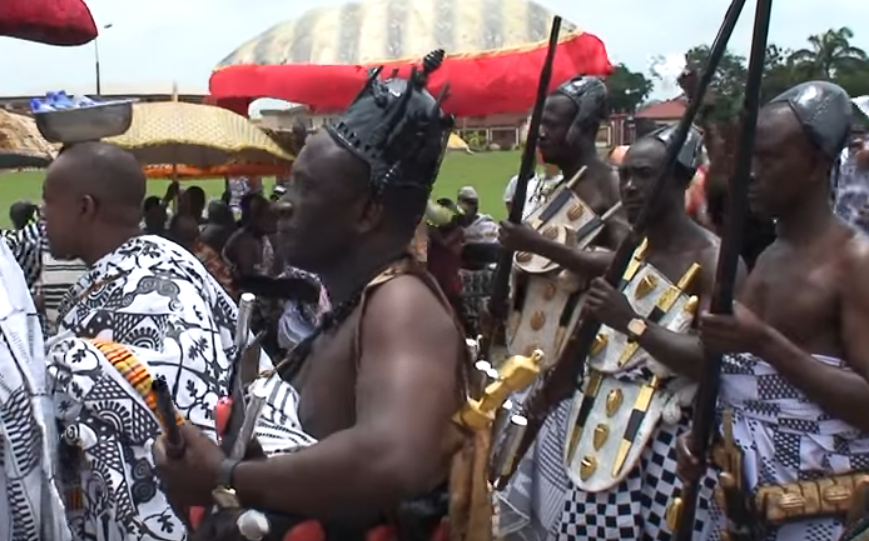
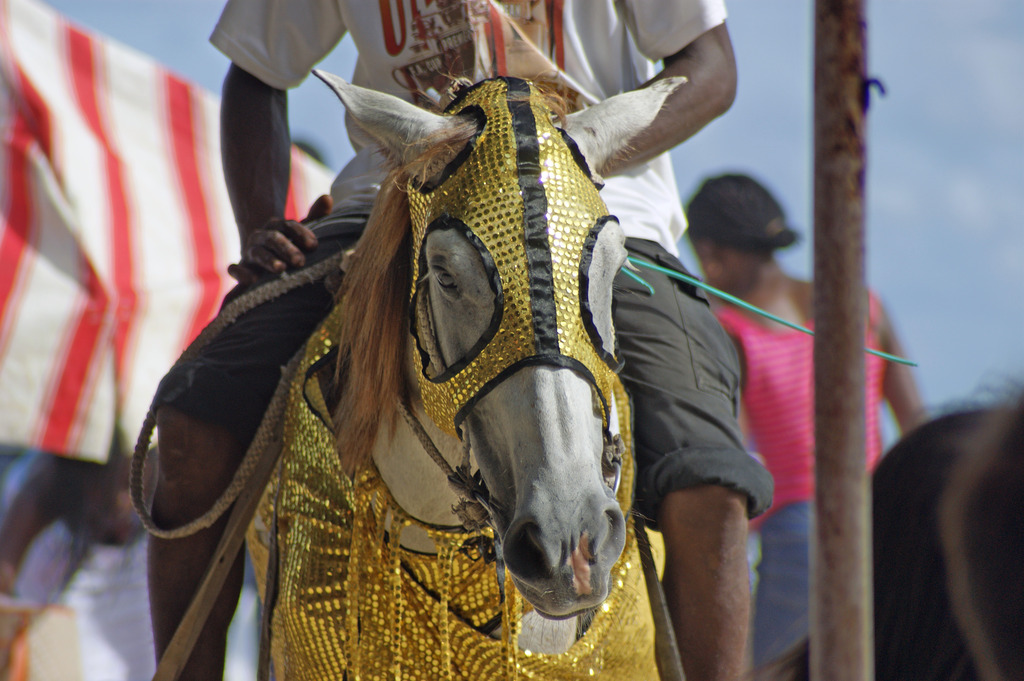
The great festival of the north, held by the Dagomba, Mamprusi, Gonja and others, marking the Prophet's birth but celebrated as an assertion of chiefly authority — drumming, horsemanship and the chief in full regalia. It follows the Islamic calendar, so it moves roughly eleven days earlier each year and has fallen anywhere from September to December recently. Confirm the year you are travelling.
-
Akwasidae — Honouring the Ancestors
The one festival you can almost always catch. Akwasidae runs on the Akan 42-day calendar, so it lands in every month of the year — the Asantehene in full regalia at Manhyia, drumming, and the court of a kingdom that never stopped functioning. If your dates are fixed and you want one great festival, aim for this.
The one month to come for festivals
If you are planning a single trip to Ghana around its festivals, September is the answer. Fetu Afahye at Cape Coast is the spectacle. Odwira in the Akuapem hills is the depth. Kundum is still rolling along the western coast. And the Central Region cluster means you can reach three of them from one base without long drives.
Two honest caveats. September still catches the tail of the rains in the south, so expect heavy showers — they pass. And Cape Coast accommodation sells out for Fetu Afahye week, at raised prices. Book the moment the date is confirmed, or stay at Elmina and drive in.
Attending a festival respectfully
These are ceremonies, not shows
Durbars, purification rites and ancestral observances are religious and political occasions that happen to be public. You are a guest at something that would take place whether or not you came. Behave accordingly.
Ask before photographing
Always, and especially where chiefs, priests, shrines or ritual objects are involved. Some moments are not to be photographed at all. Accept a refusal without negotiating, and never use a drone without explicit permission.
Respect the ban on noise
Several September festivals, Odwira among them, are preceded by a period of quiet in which drumming and loud activity are prohibited. It is taken seriously. If you arrive during one, follow it without needing to be asked.
Go with someone local
A local contact or guide turns a spectacle you watch into an occasion you understand — who is who, what is happening, when to stand. It is also how you avoid causing offence without realising it.
Organising a festival? Send us the dates and we will list it free of charge. This calendar is only as accurate as the information communities send us, and we would rather have it from you than from last year's news article. Get in touch.
 There's so much more to discover on Ghana Net! As the oldest dedicated portal for the latest tourism and heritage information (operating since December 2000), Ghana Net is also the largest online network focused on Ghana. It has long surpassed any official Ghana tourism website and other tourism platforms dedicated to Ghana.