
All Ghana Festivals in November
Ghana Festival Calendar · Month 11 of 12
November Festivals in Ghana
Two of this month's festivals commemorate the same thing: people who ran, and made it. November is Ghana's month of migration and escape stories — and it opens with one of the most spectacular durbars in the country.
Before you book flights
Almost no Ghanaian festival has a fixed Gregorian date. Most follow traditional calendars, lunar cycles or a decision taken by the traditional council a few weeks beforehand. A date published in January can move by weeks before November arrives.
Never book a non-refundable flight around a festival date you found online — including on this page. Confirm with the traditional council, the district assembly or a local contact first. Hogbetsotso is the one reliable exception this month, and even that is worth verifying.
-
Hogbetsotso — the Festival of Freedom
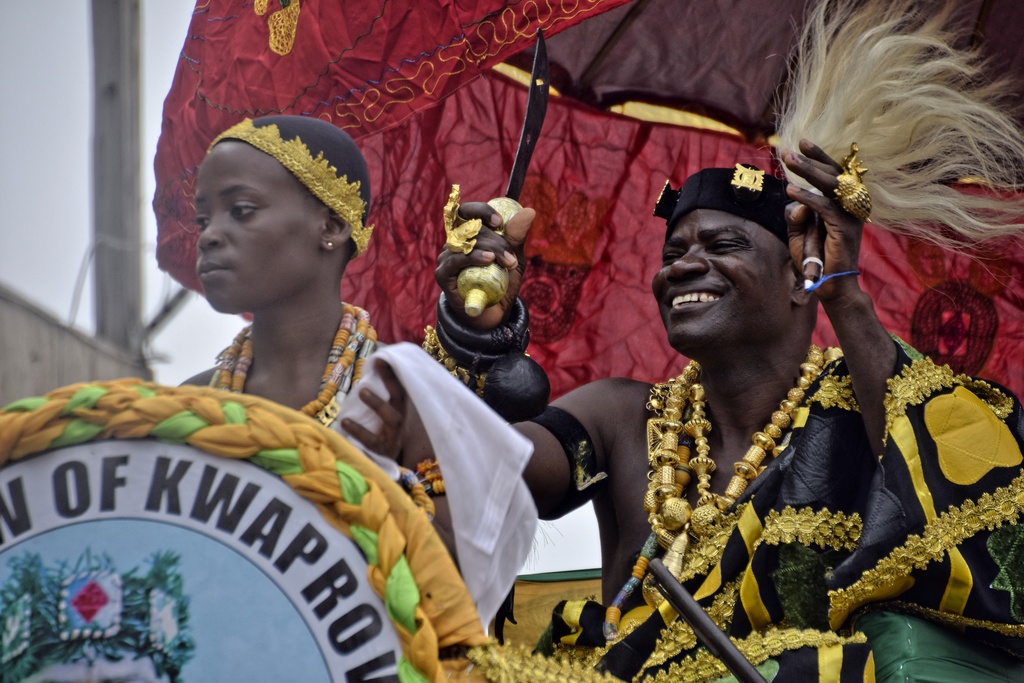
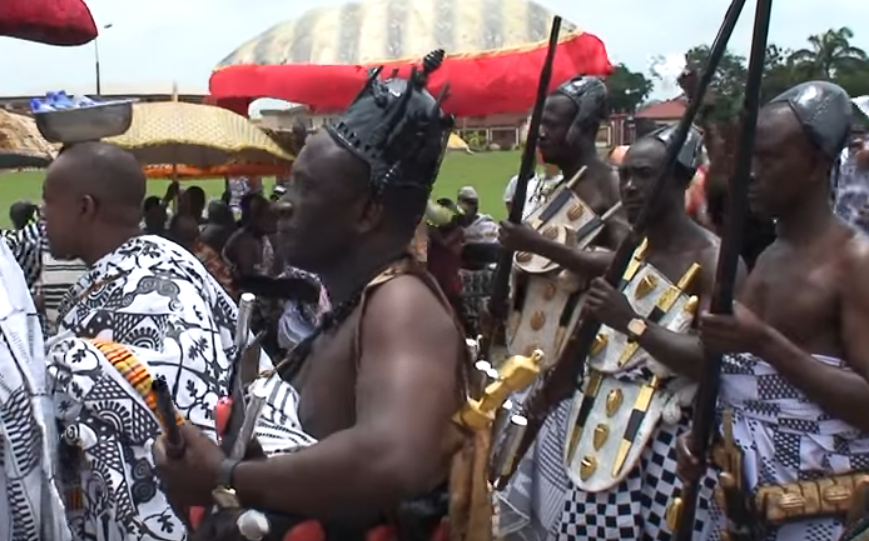
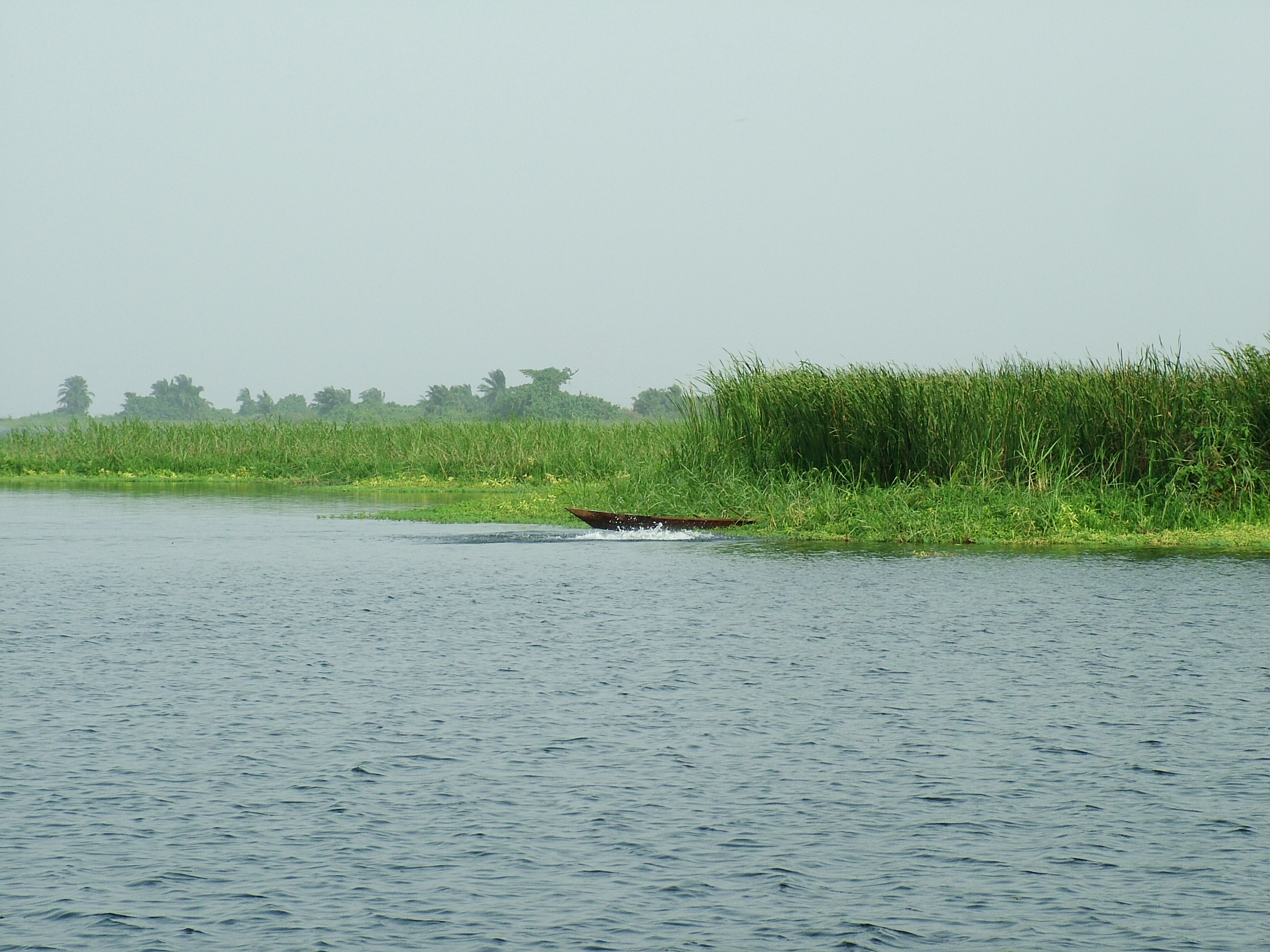
The Anlo-Ewe remember their escape from the tyrant Agokoli at Notsie, in what is now Togo — a flight made walking backwards so the footprints would point the wrong way. Purification rites, storytelling and one of the great durbars in Ghana. The rare festival with a genuinely fixed date, which makes it the easiest in the calendar to plan around.
-
Dodoleglime — the Festival of Escape
The second escape story of the month. The Ve people commemorate their own flight from oppression with reenactments, drumming and a durbar of chiefs. Far smaller than Hogbetsotso and far less visited — which, if you want a festival without other outsiders present, is the argument for going.
-
Kloyosikplem — the Festival of Ancestral Strength
The Yilo Krobo mark their descent from the Krobo Mountain, from which the colonial administration forcibly removed them in 1892. Traditional rites, drumming and community gatherings — and a piece of history that explains a great deal about how the Krobo see their own land.
-
Mmoaninko — the Festival of Bravery
Offinso remembers bravery and victory in the historic battles of the Asante state, with processions, drumming and a durbar of chiefs. An hour from Kumasi, and the easiest way to see an Asante durbar outside Manhyia itself.
-
Adekyem — the Festival of Gratitude
A thanksgiving festival marking harvest, unity and ancestral blessing, with drumming, dancing, storytelling and community feasts. It sits on the boundary between November and December and has moved between the two in recent years — confirm with Bechem before travelling for it.
-
Akwasidae — Honouring the Ancestors
The one festival you can almost always catch. Akwasidae runs on the Akan 42-day calendar, so it lands in every month of the year — the Asantehene in full regalia at Manhyia, drumming, and the court of a kingdom that never stopped functioning. If your dates are fixed and you want one great festival, aim for this.

Why November is the month to come
If you are choosing one month to visit Ghana for festivals, this is a strong case for November — and almost nobody makes it. The rains have finished across most of the country, the roads are at their best, and the harvest thanksgiving festivals cluster here. Crucially, December's crowds and doubled hotel rates have not started yet.
Hogbetsotso alone justifies the trip, and it has a fixed date you can actually plan around — the first Saturday of the month. Add Kloyosikplem in the Eastern Region and Dodoleglime in the Volta and you have three festivals inside a fortnight, in two neighbouring regions, with good driving conditions between them.
Attending a festival respectfully
These are ceremonies, not shows
Durbars, purification rites and ancestral observances are religious and political occasions that happen to be public. You are a guest at something that would take place whether or not you came. Behave accordingly.
Ask before photographing
Always, and especially where chiefs, priests, shrines or ritual objects are involved. Some moments are not to be photographed at all. Accept a refusal without negotiating, and never use a drone without explicit permission.
Dress and conduct
Cover shoulders and knees. Remove hats in the presence of a chief. Do not step in front of a procession for a photograph. If you are formally received, a small gift is customary — ask locally what is appropriate rather than guessing.
Go with someone local
A local contact or guide turns a spectacle you watch into an occasion you understand — who is who, what is happening, when to stand. It is also how you avoid causing offence without realising it.
Organising a festival? Send us the dates and we will list it free of charge. This calendar is only as accurate as the information communities send us, and we would rather have it from you than from last year's news article. Get in touch.
 There's so much more to discover on Ghana Net! As the oldest dedicated portal for the latest tourism and heritage information (operating since December 2000), Ghana Net is also the largest online network focused on Ghana. It has long surpassed any official Ghana tourism website and other tourism platforms dedicated to Ghana.