
All Ghana Festivals in March
Ghana Festival Calendar · Month 3 of 12
March Festivals in Ghana
The hungry season. Before the rains come and the crops go in, the Talensi hold Gologo — a festival of readiness held at the driest, leanest point of the year, in one of the most extraordinary sacred landscapes in West Africa.
Before you book flights
Almost no Ghanaian festival has a fixed Gregorian date. Most follow traditional calendars, lunar cycles or a decision taken by the traditional council a few weeks beforehand. Gologo is set by the Tongo elders and the shrine, not by a diary, and Easter — which can pull the Kwahu paragliding festival into late March — moves every year.
Never book a non-refundable flight around a festival date you found online — including on this page. Confirm with the traditional council, the district assembly or a local contact first.
-
Gologo — the Sacred Festival of Readiness
Held in the lean weeks before the rains, when granaries are low and the land is waiting. The Talensi mark the turn with rites at the Tongnaab shrine among the boulder hills of Tengzug — one of the most powerful sacred landscapes in West Africa, and a shrine whose reputation once reached far beyond Ghana. Drumming, dancing and a great deal that is not for outsiders to see.
-
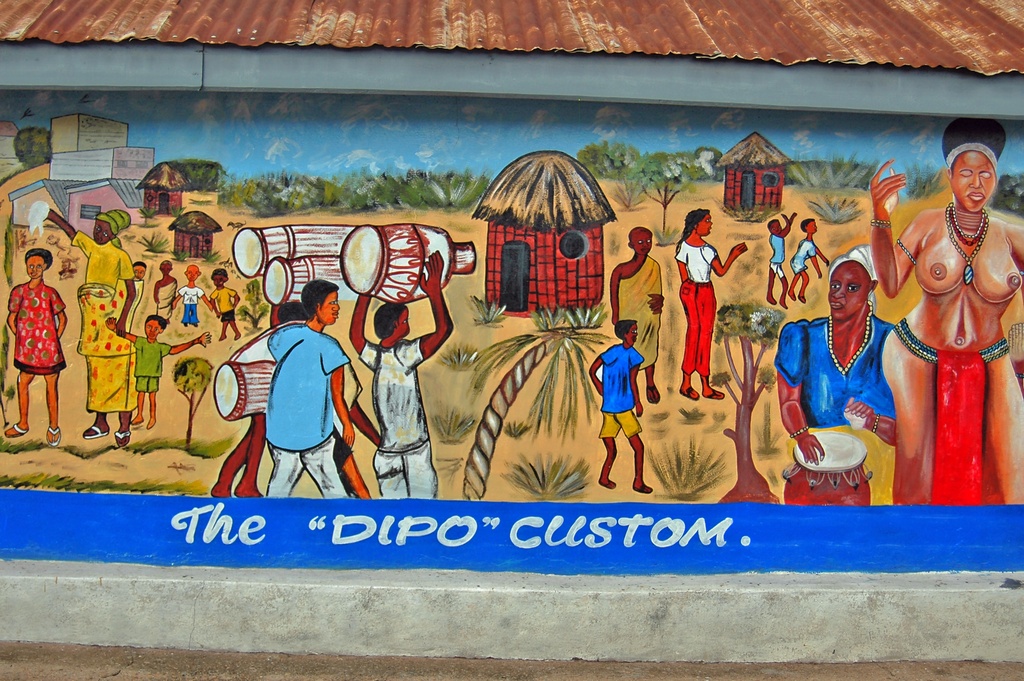
Dipo — the Sacred Rite of Womanhood
The Krobo initiation season opens around March and runs into June. This is not a spectator festival — it is a rite of passage for the girls and their families, and one that is publicly debated within Ghana itself. If you attend, go by invitation through a local contact, follow every instruction, and treat photography as forbidden unless you are explicitly told otherwise.
-
Ghana Paragliding Festival
Listed here because Easter moves. In years when it falls in late March, the Kwahu paragliding festival comes with it — tandem flights off the Odweanoma escarpment with a professional pilot, no experience required. Check the Easter date for your year before deciding whether this is a March or an April event.
-
Akwasidae — Honouring the Ancestors
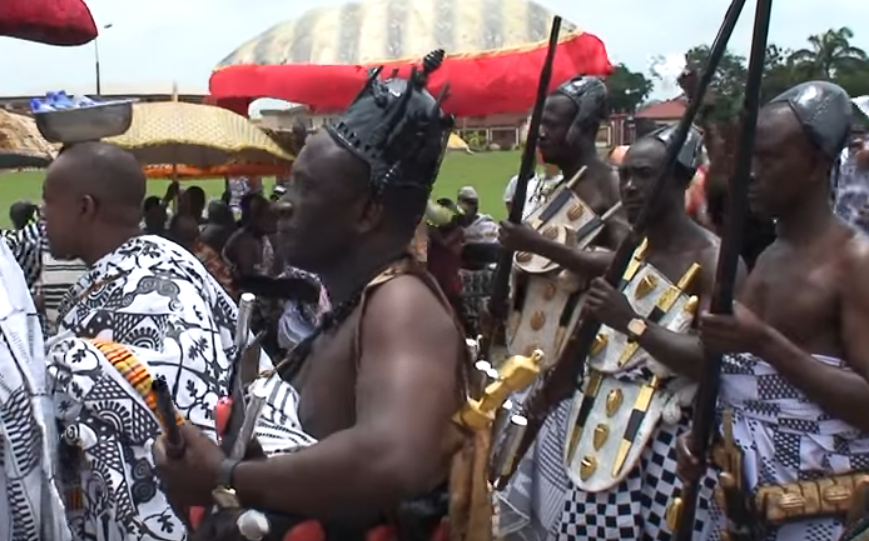
The one festival you can almost always catch. Akwasidae runs on the Akan 42-day calendar, so it lands in every month of the year — the Asantehene in full regalia at Manhyia, drumming, and the court of a kingdom that never stopped functioning. If your dates are fixed and you want one great festival, aim for this.

Tengzug, and what "readiness" actually means
Gologo is not a harvest festival, and that is what makes it worth understanding. It falls in the hardest weeks of the northern year — the granaries from last season are running low, the rains have not arrived, and nothing can be planted yet. The festival is held precisely at that point of waiting: a marking of endurance and preparation rather than of plenty.
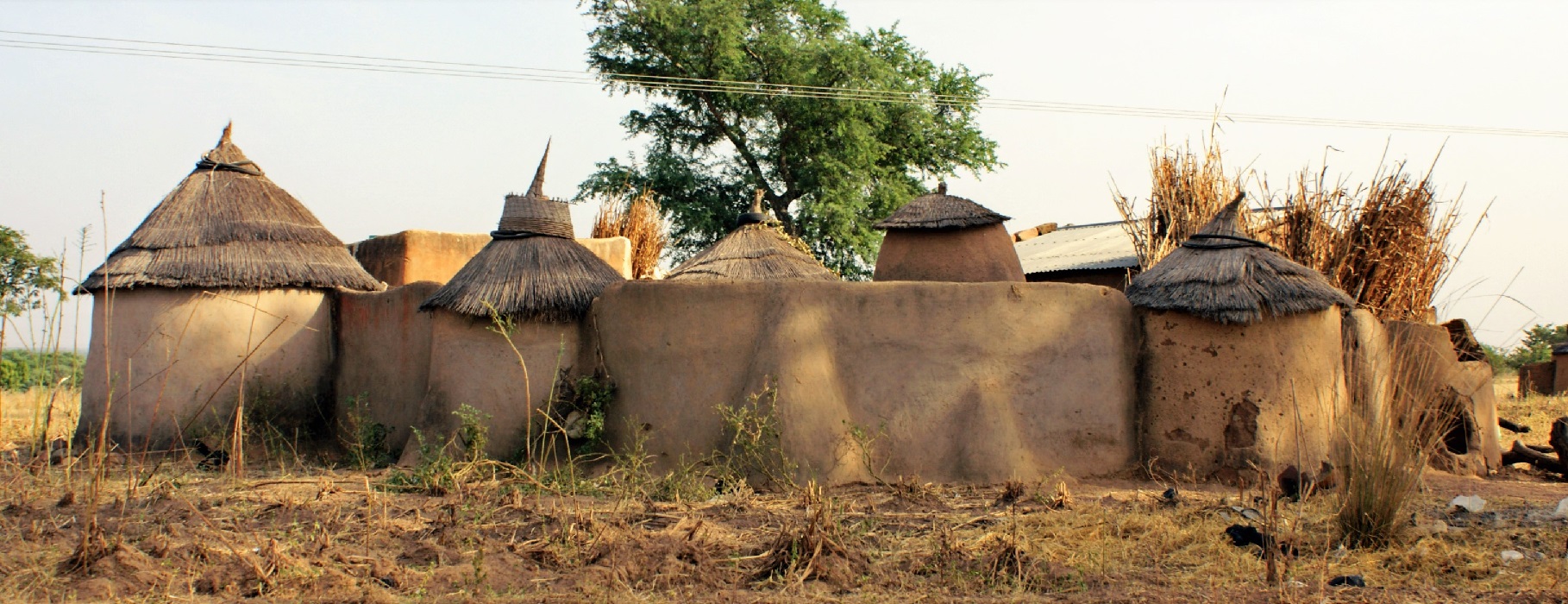
The setting is the Tongo hills at Tengzug, a landscape of enormous granite boulders with shrines and compounds built among and beneath them. The Tongnaab shrine here was consulted from across the region and beyond, and it remains an active place of worship rather than a monument.
Which brings the practical point. Access to the shrine is controlled, and rightly so. There are conditions on who may enter and how, some parts are not open to visitors at all, and at certain points men have traditionally been required to remove their shirts before approaching. Arrange your visit through the community guides at Tengzug, ask what is permitted before you do anything, and accept every answer without negotiating. This is a working shrine, not an attraction with rules that can be bent.
Attending a festival respectfully
These are ceremonies, not shows
Durbars, purification rites and ancestral observances are religious and political occasions that happen to be public. You are a guest at something that would take place whether or not you came. Behave accordingly.
At shrines, ask about everything
Where you may walk, what you may photograph, what you should wear, whether you may enter at all. The answers at Tengzug are specific and not always what a visitor expects. Ask first, every time, and take a refusal as final.
Rites of passage are not for spectators
Dipo is a personal ceremony for the girls involved and their families, not an attraction. Attend only by invitation, never photograph without explicit permission, and do not treat participants as subjects.
March is brutally hot in the north
This is the hottest part of the year in the Upper East, regularly into the high thirties and beyond. Walk early or late, carry far more water than feels necessary, and do not underestimate the climb through the Tongo hills.
Organising a festival? Send us the dates and we will list it free of charge. This calendar is only as accurate as the information communities send us, and we would rather have it from you than from last year's news article. Get in touch.
 There's so much more to discover on Ghana Net! As the oldest dedicated portal for the latest tourism and heritage information (operating since December 2000), Ghana Net is also the largest online network focused on Ghana. It has long surpassed any official Ghana tourism website and other tourism platforms dedicated to Ghana.