
Volta Region Slow Travel – An 8‑Day Journey of Rivers, Mountains and Heritage
Accra → Prampram → Ada Foah → Keta → Ho → Wli & Mountains → Adomi Bridge & Akosombo → Shai Hills → Accra
By Remo Kurka – Ghana‑Net.com
For more than 25 years I’ve crossed Ghana’s coastlines, rivers and mountains with a camera and a curious mind. The Volta Region is one of those places you don’t “do” in a weekend—it asks you to slow down, listen, and let the landscape and people reveal themselves in their own time.
This 8‑day itinerary is designed as a holiday, not a marathon. Travel times are based on real Ghana roads today, not optimistic maps. Expect delays, markets, trucks, and life happening along the way—and embrace it.
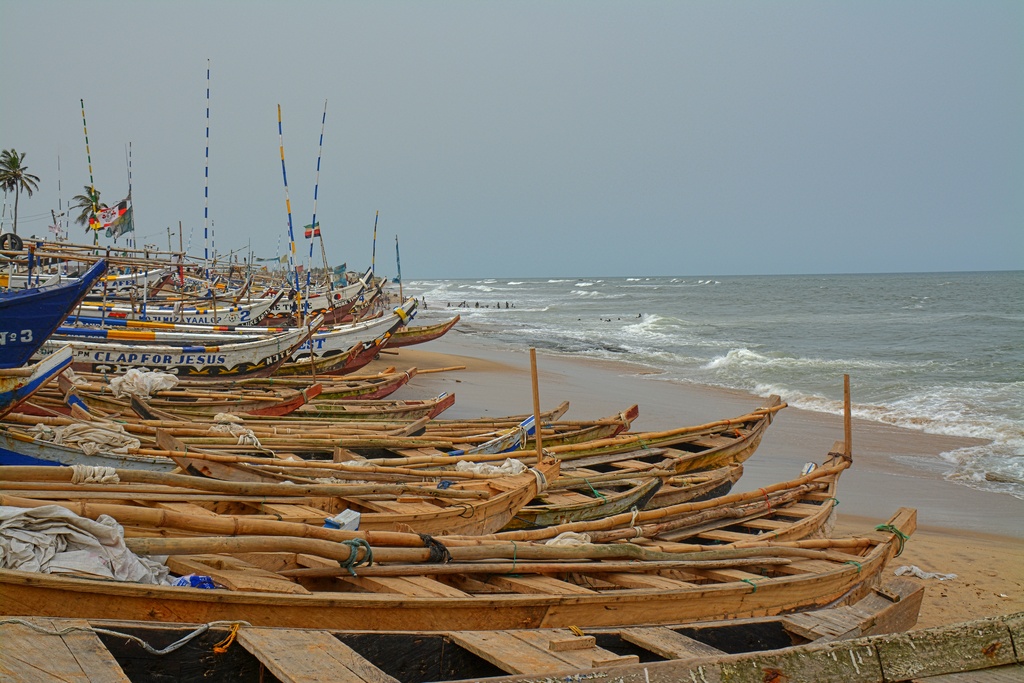
Fishing boats at Prampram beach, Ghana (c) Remo Kurka
Day 1 – Accra to Prampram: Forts, Old Walls and Quiet Beaches
Travel time:
Accra → Prampram: about 2 hours, depending on traffic.
Highlights:
Fort Prampram – a small Dutch‑built fort from the 18th century, overlooking the coast.
Old Police Station – a colonial‑era building with strong character and history.
Long, quiet beaches with fishing boats and local life.
Why start here? Prampram is close enough to Accra to reach in a day, but far enough to feel like you’ve left the city behind. It’s a gentle introduction to the coast, with history and calm in one place.
Suggested stay:
Simple guesthouses or small beach lodges in Prampram (from around 20 dolllars, upto 90 dollars).
This night is about rest, not luxury—let your body arrive in Ghana’s rhythm.
Day 2 – Prampram to Ada Foah: Estuary, Islands and River Life
Travel time:
Prampram → Ada Foah: 2–2.5 hours.
Highlights:
Volta River estuary – where river and ocean meet.
Boat tours along the river, through mangroves and to small islands.
Island stays – very basic, almost like camping, with simple huts and tents, local food available.
Ada Foah Beach – wide, sandy, relaxed.
Aqua Safari / Safari‑style resort – a high‑end option for those who want comfort and soft‑life.
Personal note: Ada is one of the best places in Ghana to feel the river. Take a boat, talk to the boatmen, and spend time on the islands. The cheap overnight stays are simple but unforgettable.
Fort prinzenstein (keta) - More Info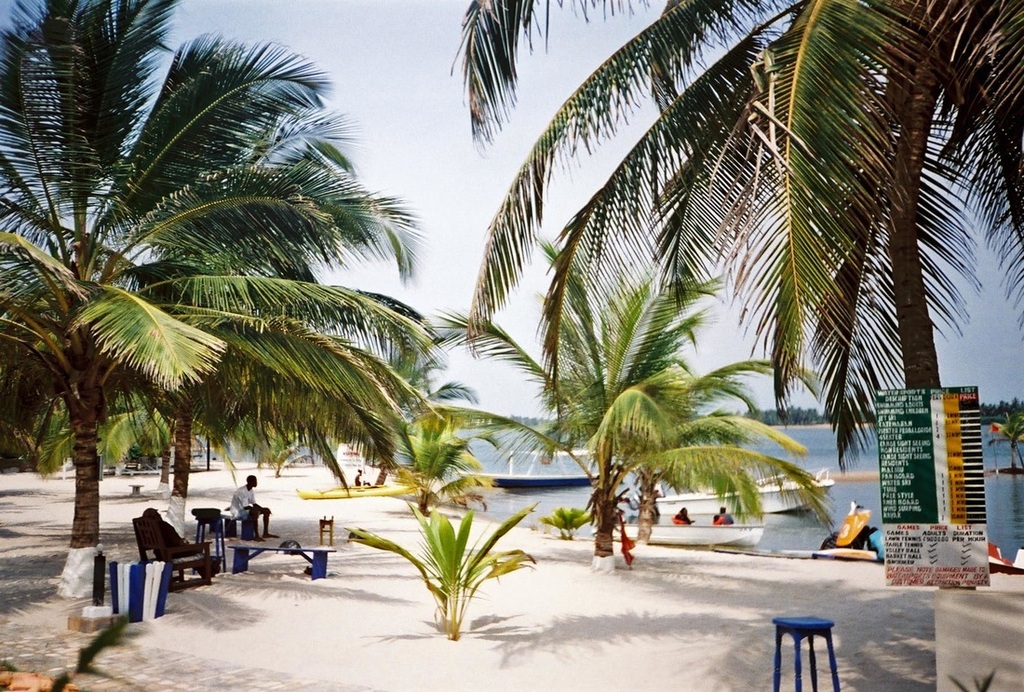
Ada, watersport area and beach (c) Remo Kurka,
Day 3 – Ada Foah to Keta: Fort, Lighthouse and Lagoon
Travel time:
Ada Foah → Keta: about 2 hours.
Highlights:
Fort Prinzenstein (Keta) – a powerful reminder of the Atlantic slave trade and colonial history.
Keta Lighthouse – standing guard over a coastline that has been eaten away by the sea.
Keta Lagoon – a vast, atmospheric body of water, perfect for photography and quiet reflection.
Anloga – cultural heart of the Ewe people.
Atorkor – a peaceful coastal village with strong community spirit.
Why it matters: Keta is a place of beauty and loss. The eroded coastline tells a story of rough sea and climate, history and human settlement. Fort Prinzenstein and the lighthouse are essential stops for anyone who wants to understand Ghana’s coastal heritage.
Suggested stay:
Guesthouses in Keta or nearby Anloga.
Choose a place close to the lagoon or beach for sunrise walks.
Day 4 – Keta to Ho: From Coast to Capital
Travel time:
Keta → Ho: about 3 hours, via Sogakope and Akatsi.
Route:
Keta → Sogakope (crossing the Sogakope Bridge over the Volta River).
Sogakope → Akatsi → Ho.
Highlights in Ho:
Volta Regional Museum – a small but important museum on Ewe culture, colonial history and regional heritage.
Ho town – markets, local food, and a calm base for exploring the mountains.
Personal note: Ho is not loud or flashy. It’s a regional capital with a gentle pace. The museum is a quiet gem—take your time there.
Suggested stay:
Mid‑range guesthouses or small hotels in Ho. (from 15 dollars)
This is your base before heading into the hills.
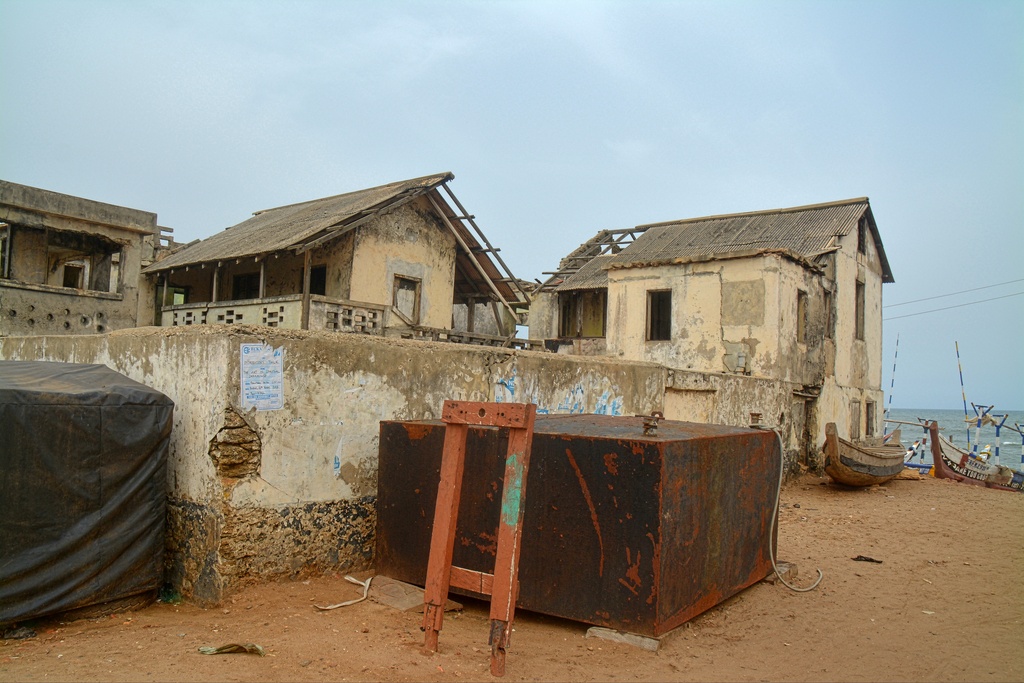
What remains of this fort, at Prampram (there are two forts (c) Remo Kurka, Ghana
Day 5 – Ho to Hohoe and Wli: Waterfalls and Mountain Air
Travel time:
Ho → Hohoe: about 1.5 hours.
Hohoe → Wli: about 45–60 minutes.
Highlights:
Wli Waterfalls – the highest waterfall in Ghana, with upper and lower falls.
Hohoe town – a good stop for supplies and local food.
Forest walks, birds, and the sound of water everywhere.
Great Nature: Wli is one of the most iconic nature destinations in Ghana. The walk to the falls is as important as the falls themselves—listen to the forest, watch the bats, feel the humidity.
Suggested stay:
Lodges or guesthouses near Wli.
Sleep with the sound of the forest around you.
Day 6 – Mountains and Terrace Village: Afadjato, Tagbo Falls and Liati Wote
Travel time:
Local travel between Wli, Hohoe and Liati Wote: short but slow—expect 30–60 minutes per segment.
Highlights:
Mount Afadjato – Ghana’s highest peak, with a rewarding hike and views over Ghana and Togo.
Tagbo Falls – a beautiful waterfall near Liati Wote, less crowded than Wli.
Liati Wote – the terrace village you had in mind: community tourism, terraced farming, and a strong sense of place.
Tafi Atome Monkey Sanctuary (optional, if time allows) – sacred monkeys, forest and community‑run tourism.
Personal note: This day is about walking, climbing and being with the land. Take it slow. Talk to guides, listen to local stories, and respect the mountains—they are more than just scenery.
Suggested stay:
Another night near Wli or Hohoe, depending on your pace.
Keep this day flexible—weather and energy will decide how much you do.
Day 7 – Hohoe to Adomi Bridge and Akosombo: River, Steel and Dam
Travel time:
Hohoe → Adomi Bridge (Atimpoku): about 3–3.5 hours.
Adomi Bridge → Akosombo: about 20 minutes.
Highlights:
Adomi Bridge – the iconic steel arch bridge over the Volta River at Atimpoku.
River views, boats, and local life around the bridge.
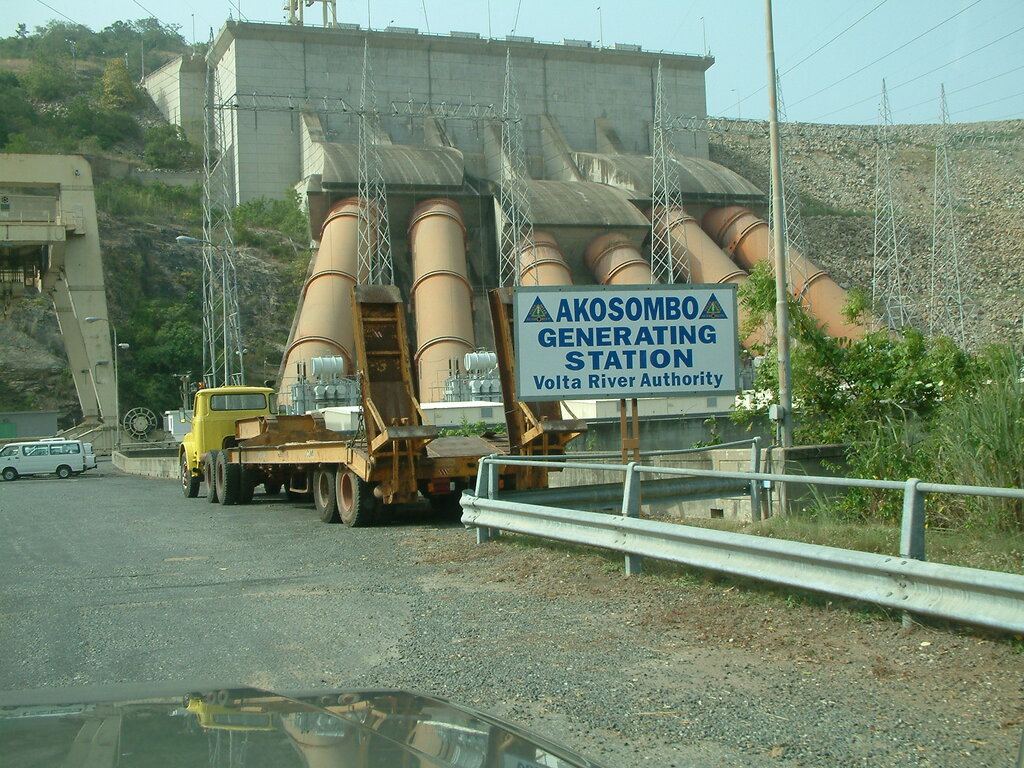
Akosombo Dam – the heart of Ghana’s hydroelectric power story.
Volta Lake – boat tours, island visits, and, if available, cruises like the Dodi Princess.
Enjoy your stay: Here, the Volta River becomes Volta Lake—a human‑made transformation with huge impact on Ghana’s history and development. It’s a place of engineering, landscape and memory.
Suggested stay:
Lodges or hotels in Akosombo, with lake views if possible. However, you may find lower cost options close the the bridge (from around $25 dollars and far up).
This is a place to rest and watch the water.
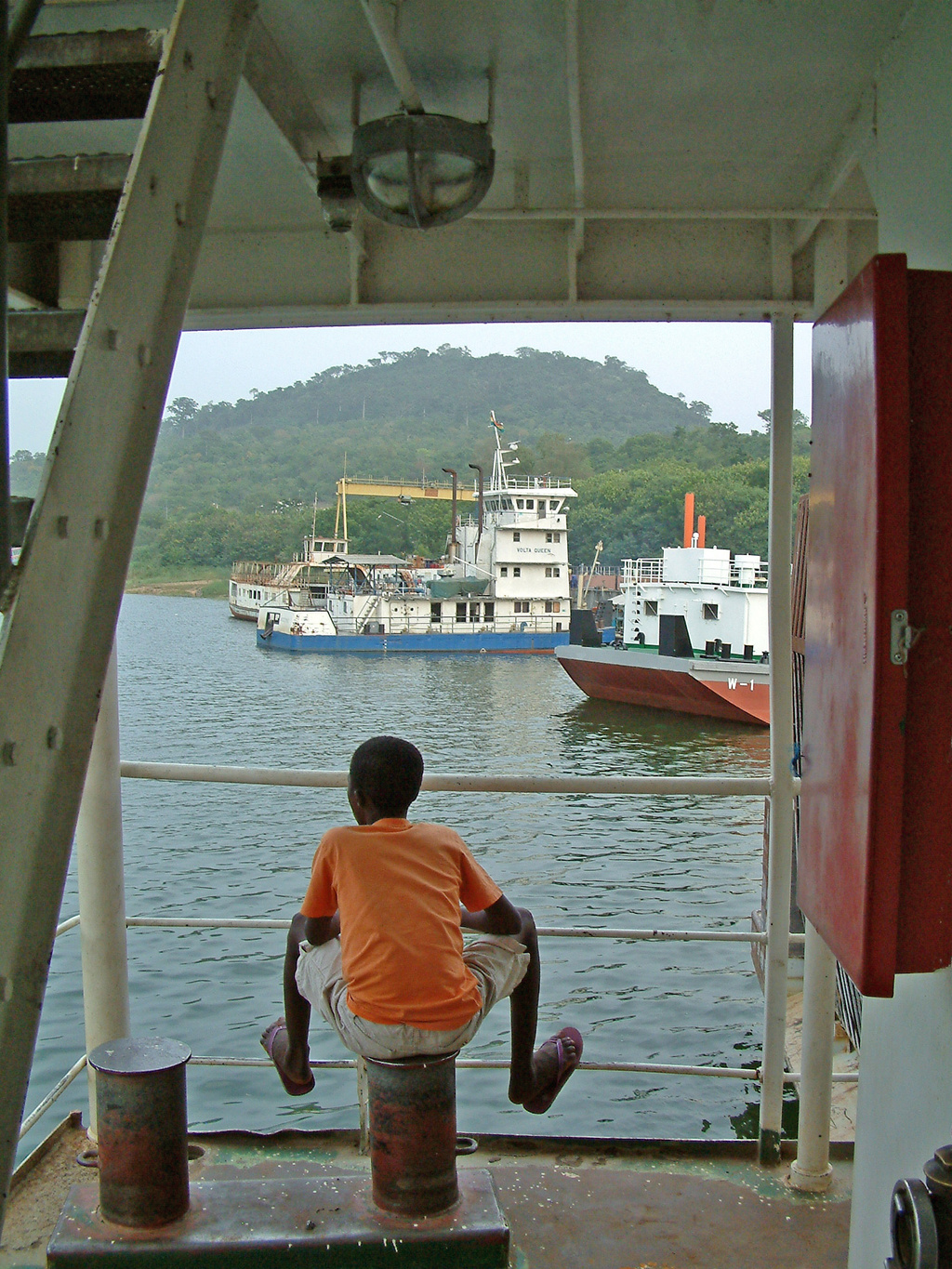
Lake Volta, Akosombo Port (c) Remo Kurka, Ghana
Day 8 – Akosombo to Shai Hills and Back to Accra: Wildlife and Return
Travel time:
Akosombo → Shai Hills: about 1 hour.
Shai Hills → Accra: 1.5–2 hours, depending on traffic.
Highlights:
Shai Hills Resource Reserve – baboons, antelopes, birds, caves and rocky outcrops.
Short hikes and guided walks.
Final drive back into Accra, with time to arrive before dark.
Personal note: Shai Hills is a gentle way to end the journey—wildlife, rocks, and open space before the city closes in again.
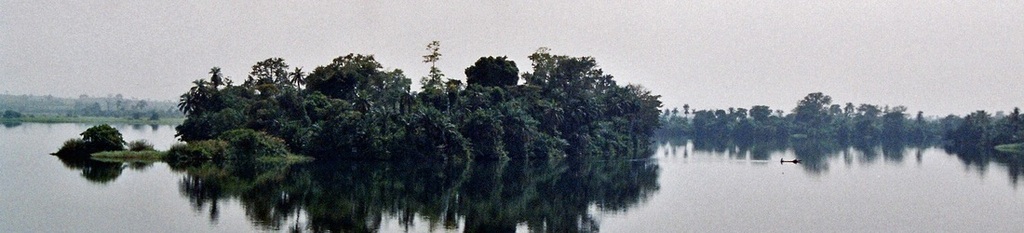
Volta river, as seen from Adomi bridge.
(c) Photography by Remo Kurka
Adomi Bridge (Website)Travel Thoughts
This 8‑day Volta Region itinerary is built for real Ghana travel in 2026 and easy into 2027: slower roads, longer journeys, and the need to respect your own energy. It connects:
forts and lighthouses
rivers and lakes
museums and markets
mountains and waterfalls
villages and bridges
It’s not about rushing from one “sight” to the next. It’s about letting the Volta Region introduce itself—one bend in the road, one conversation, one view at a time.
Festivals of Ghana @ ghana-Net.comCuisine - Food and Drink @Ghana-net.comDiaspora Blog @ghana-net.com