
The Real Cost of Traveling in Ghana: Budget Guide 2026
1. Accommodation
Budget: 12–35 EUR
Mid‑range: 35–80 EUR
Hotels: 100–200 EUR
2. Food
Street food: 1–3 EUR
Local restaurants: 3–8 EUR
Tourist restaurants: 10–20 EUR
3. Transport
Trotro: 0.30–2 EUR (Ashaiman, Tema-Accra as an example)
Uber/Bolt: 2–15 EUR
Intercity bus, VIP, STC etc: 8–35 EUR, depending on destination (Cape Coast, Takoradi, Kumasi, Tamale or Bolgatanga)
4. Attractions
Castles: 3–7 EUR
National parks: 5–12 EUR
Museums: 2–7 EUR
5. SIM Card & Internet
MTN: 1 EUR
Data: 3–35 EUR
6. Hidden Costs
Tips
Airport taxi
Water (Sachet water is usually fine)
Sunscreen
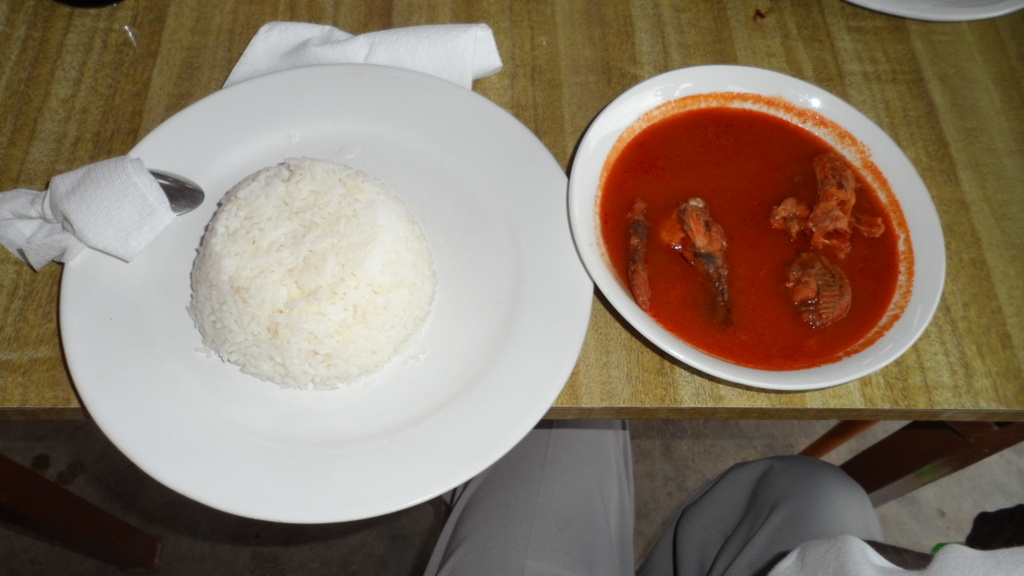
Typical Ghanaian: Rice and light soup with chicken. (c) Remo Kurka
The Real Cost of Traveling in Ghana: A Honest Budget Guide for 2026
A warm, realistic and personal guide for anyone planning a trip to Ghana.
Ghana is one of the most welcoming countries in West Africa — full of colour, rhythm, history and heart.But many first‑time visitors arrive with the same question:
“How much does it really cost to travel in Ghana?”
This guide gives you a clear, honest and friendly overview of what you can expect in 2026.No sugar‑coating, no tourist‑brochure talk — just real numbers and real experiences.
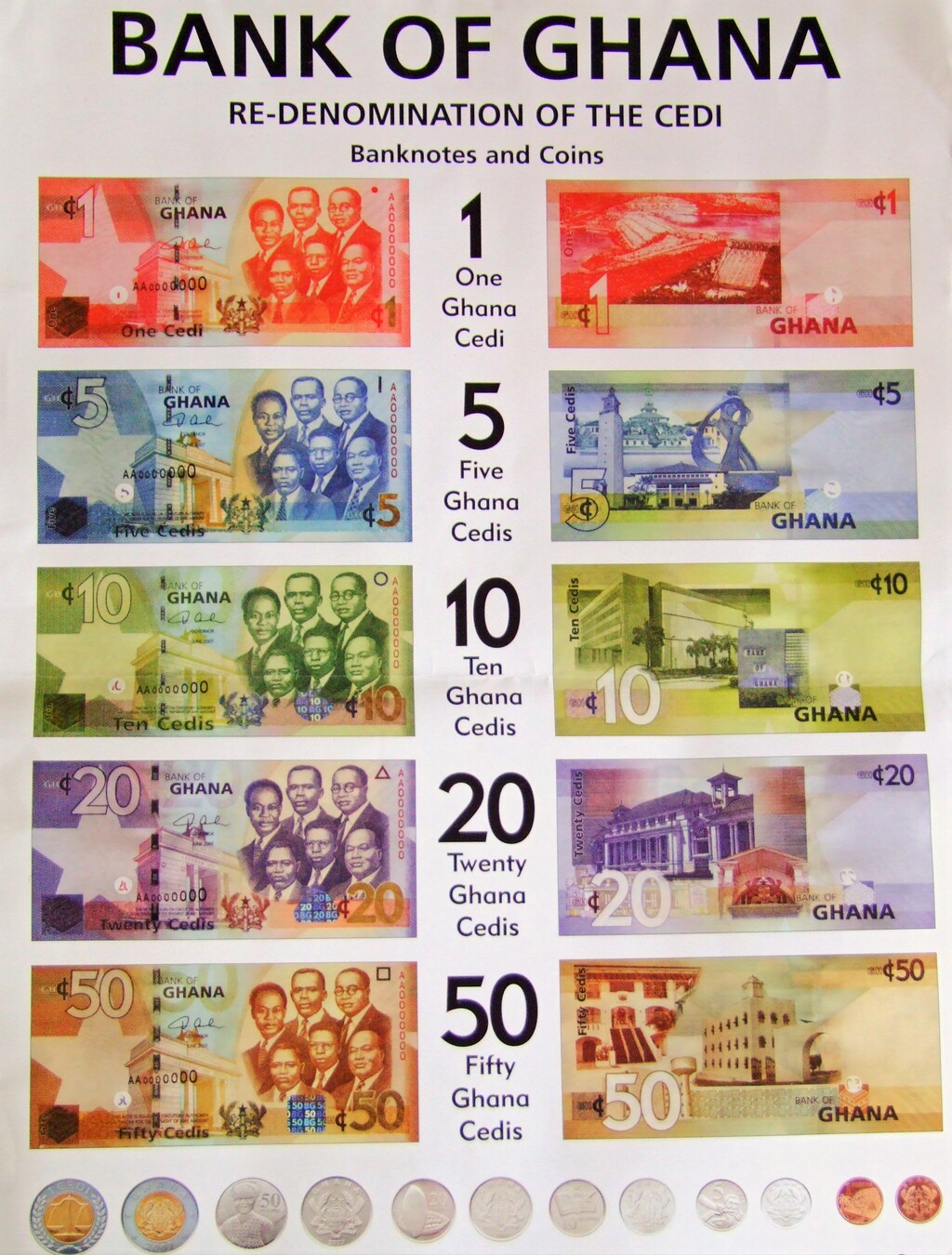
Ghana Cedis - Banknotes and Coins. However, there are now as well 100 and 200 Ghana Cedis note. Best, you stick with 5, 10, 20 and 50. Coins are more often 10 Pesewas, 50 Pesewas, 1 Cedis and also 2 Cedis. Make sure you realize the difference between 1 and 2 Cedis. (c) Remo Kurka
⭐ 1. Accommodation — From Simple Rooms to Boutique Comfort
Ghana offers something for every budget.
Budget (12–35 EUR per night)
Simple guesthouses, clean rooms, fan or basic AC. Perfect for backpackers or long‑term travellers.
Mid‑Range (40–80 EUR per night)
Comfortable hotels, private bathrooms, AC, Wi‑Fi, breakfast. Great for couples or first‑time visitors.
High‑End (100–200+ EUR per night)
Boutique hotels, beach resorts, pools, restaurants. Ideal if you want comfort and quiet.
Tip: Prices rise during Christmas, Easter and festivals — book early.
⭐ 2. Food — Delicious, Affordable and Full of Flavour
Ghanaian food is rich, spicy and unforgettable. And the best part? You can eat well without spending much.
Street Food (1–3 EUR)
Kelewele
Waakye
Fried yam
Meat skewers
Jollof portions
Local Restaurants (4–8 EUR)
Fufu with soup
Banku & tilapia
Red Red
Rice dishes
Tourist Restaurants (10–20 and sometimes even more EUR)
Western dishes, cocktails, cafés, beachfront restaurants.
Tip: Street food is safe if it’s hot and freshly cooked.
⭐ 3. Transport — Cheap, Busy and Full of Character
Ghana’s transport system is part of the adventure.
Trotro (0.30–3 EUR)
The cheapest way to move around — crowded but authentic.
Uber/Bolt (2–8 or even more, depending on time of the day EUR)
Safe, easy and perfect for Accra.
Intercity, Metro Bus, STC etc (8–18 EUR)
Reliable for long distances (Accra–Cape Coast, Accra–Kumasi).
Domestic Flights (60–120 EUR)
Fastest way to reach Tamale or the North (Travel by road to Tamal can take easy 10-12 hours).
Tip: Traffic in Accra can double your travel time — always plan ahead.
⭐ 4. Attractions — Affordable and Worth Every Cedi
Ghana’s cultural and historical sites are surprisingly budget‑friendly.
Castles & Forts (3–7 EUR)
Cape Coast Castle, Elmina Castle — emotional and powerful.
Museums (2–7 EUR)
National Museum, regional museums, art centres.
National Parks (5–15 EUR)
Kakum canopy walk, Mole National Park, waterfalls.
Beaches (Free–5 EUR)
Some are free, some charge a small entrance fee.
Tip: Guided tours are inexpensive and add a lot of value.
⭐ 5. SIM Card & Internet — Cheap and Reliable
MTN is the strongest network in Ghana.
SIM Card: 1 EUR
Data Bundles: 3–35 EUR
Enough for maps, WhatsApp, social media and travel planning.
Tip: Buy your SIM card in town — airport prices are higher. However, if you stay a bit longer in Ghana, you will have to register your sim!
⭐ 6. Hidden Costs — Small Things That Add Up
These are the little expenses travellers often forget:
Bottled water (even as sachet water is fine, mostly)
Sunscreen (expensive in Ghana)
Tips for guides
Airport taxi
Laundry
Snacks
Toiletries
Nothing dramatic — but good to keep in mind, always take T-Roll with you!
⭐ 7. Daily Budget Overview (2026)
Here’s a realistic daily budget for most travellers:
Budget Traveller: 20–35 EUR/day
Street food, trotros, simple rooms.
Mid‑Range Traveller: 40–70 EUR/day
Restaurants, Uber, comfortable hotels.
Comfort Traveller: 80–150 EUR/day
Boutique hotels, tours, private transport.
Ghana is not the cheapest country in Africa — but it’s one of the most rewarding.
⭐Traveling in Ghana
Traveling in Ghana doesn’t have to be expensive. With a bit of planning, you can enjoy:
delicious food
warm people
beautiful beaches
powerful history
unforgettable culture
…without breaking your budget.
Ghana welcomes you with open arms — and your wallet will survive the journey too.