
The Most Dangerous Online Scams in Ghana (2026 Update)
Introduction
Online scams in Ghana continue to evolve, becoming more sophisticated and emotionally manipulative. While many people in Ghana are honest and hardworking, organized scam groups — often operating from cafés, shared apartments, or private networks — target victims worldwide. This 2026 update explains the most dangerous scam types, how they work, and how to protect yourself.

1. Romance & Online Dating Scams (Still the #1 Threat)
How the Scam Works
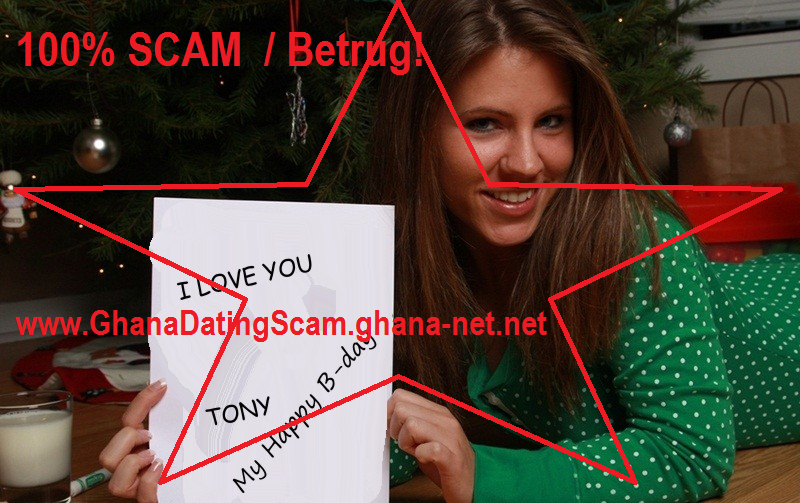
Scammers create fake profiles using stolen photos (often models, soldiers, nurses, engineers). They build emotional connections quickly, then ask for money.
Common Excuses for Money
visa fees
travel tickets
hospital bills
“stuck at the airport”
urgent family emergencies
business problems
shipping a “gift”
Red Flags
refuses video calls
falls in love within days
grammar doesn’t match claimed profession
always has a crisis
Why It’s Dangerous
Victims often lose thousands — sometimes tens of thousands.
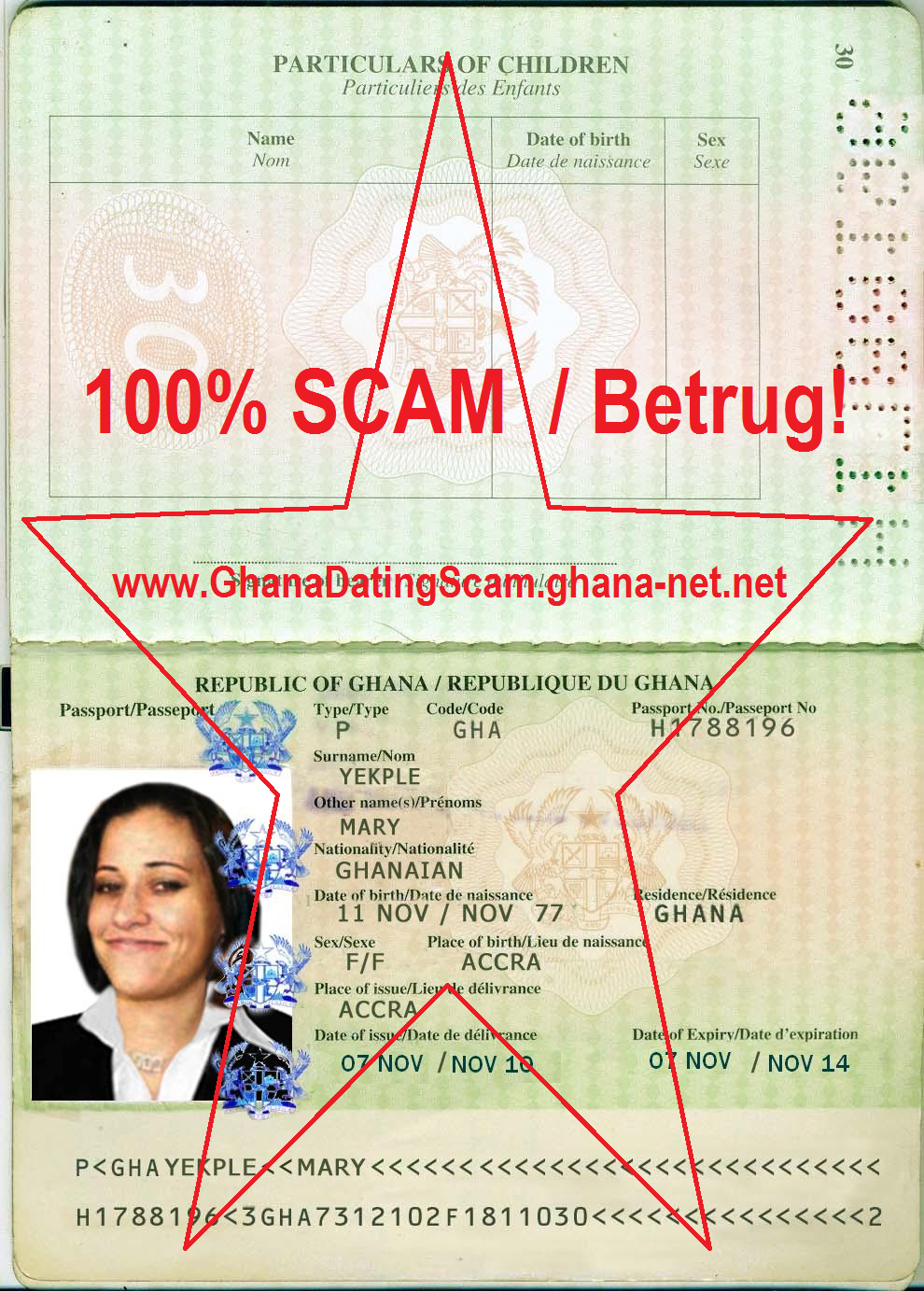
This kind or similar newer ID. Learn about the most dangerous online scams in Ghana in 2026 — including romance scams, investment fraud, fake gold deals, identity theft.
2. Fake Gold & Investment Scams
How It Works
Scammers claim to sell gold bars, gold dust, or mining shares. They send fake documents, fake export papers, and fake photos.
Red Flags
“family gold” stories
pressure to pay “export fees”
fake refinery certificates
no physical meeting possible
Why It’s Dangerous
Victims can lose huge amounts — $10,000 to $100,000+.
3. Parcel / Gift Delivery Scams
How It Works
A scammer claims to have sent you a gift:
iPhone
laptop
jewelry
money
Then a fake “customs officer” contacts you demanding:
clearance fees
anti‑money‑laundering fees
delivery charges
Why It’s Dangerous
Victims pay multiple fees before realizing the parcel never existed.
4. Business Email Compromise (BEC)
How It Works
Scammers hack or imitate business emails and request:
invoice payments
contract deposits
supplier fees
Why It’s Dangerous
Losses can reach corporate levels — $50,000+.
5. Fake Job Offers & Visa Scams
H3: How It Works
Scammers promise:
jobs in Ghana
jobs abroad
scholarships
work visas
Then demand:
processing fees
medical fees
“registration”
Why It’s Dangerous
Victims lose money AND personal documents.
6. WhatsApp & Social Media Impersonation
How It Works
Scammers impersonate:
pastors
celebrities
soldiers
nurses
NGO workers
government officials
They ask for:
donations
mobile money
“urgent help”
Why It’s Dangerous
Victims trust the identity — because it looks real.
7. Crypto & Forex Scams
How It Works
Scammers promise:
guaranteed profits
“doubling your money”
insider trading tips
They use fake trading dashboards to show fake profits.
Why It’s Dangerous
Once you deposit money, it disappears.
8. Identity Theft & Fake Profiles
How It Works
Scammers steal:
photos
names
social media accounts
They create dozens of fake identities.
Why It’s Dangerous
You may think you’re talking to a real Ghanaian — but the person doesn’t exist.
How to Protect Yourself (2026 Rules)
1. Never send money to someone you haven’t met
No exceptions.
2. Verify photos with reverse image search
Most scam photos are stolen.
3. Avoid sharing personal information
Scammers use it to manipulate you.
4. Trust your instincts
If something feels wrong — it is.
5. Don’t tell the scammer you’re checking them
They will change tactics.
⭐ Need to Verify Someone in Ghana?
We offer:
identity checks
address verification
workplace verification
social media analysis
photo verification
Our website has been active since 2000, and we support you all the way.
Conclusion
Online scams in Ghana remain a serious threat in 2026, especially romance scams, gold scams, and impersonation schemes. With awareness and proper verification, you can protect yourself from emotional and financial harm.