
The History of Slavery in Ghana: Forts, Castles & Hidden Stories
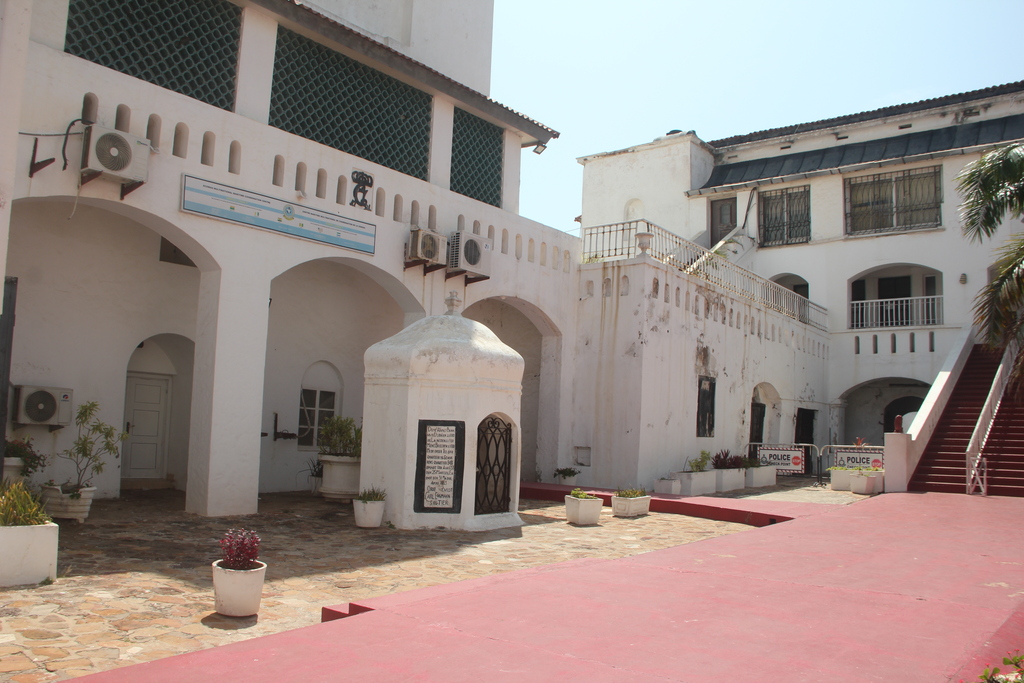
Ghana’s coastline is lined with around than 30 forts and castles — silent witnesses to one of the darkest chapters in human history. For over 400 years, European powers used these structures as trading posts, military bases, and centers of the transatlantic slave trade. Today, they stand as UNESCO World Heritage Sites and powerful reminders of resilience, suffering, and survival.
This guide explores the history of slavery in Ghana through its most important sites, revealing both well‑known facts and lesser‑told stories.
A lesser-known aspect of the history of the trans-Atlantic slave trade is the significant role played by some African states, kingdoms, and merchant groups alongside European traders. Among them were sections of the Ga, Fante, and Asante societies in what is now Ghana, as well as the Kingdom of Dahomey in present-day Benin and parts of Togo.
The trans-Atlantic slave trade was a complex system that depended on cooperation between European slave traders and African political and commercial networks. European demand for enslaved labor in the Americas drove the trade, but many African rulers, merchants, and intermediaries participated by capturing, purchasing, transporting, and selling captives. Without these local alliances and commercial arrangements, the trade could not have reached the scale it ultimately did.
The Kingdom of Dahomey, in particular, became deeply involved in the slave trade during the 18th and 19th centuries, conducting military campaigns that generated captives who were then sold to European traders along the coast. Likewise, the Asante Empire and various coastal trading groups, including some Fante merchants, were active participants in regional slave-trading networks at different periods.
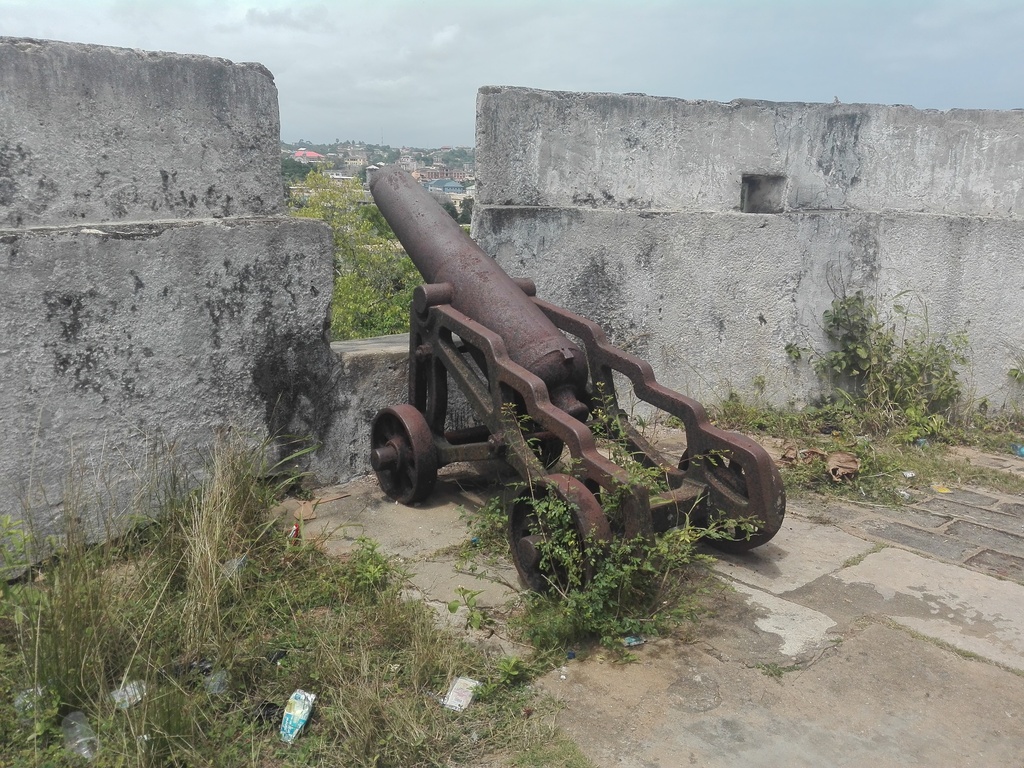
Top Hill Fort William, Cape Coast (c) Remo Kurka
At the same time, it is important to avoid treating entire ethnic groups or societies as uniformly responsible. Individuals, communities, and leaders often held differing views, and some African states and groups resisted slave raiding and slave trading altogether. The history is therefore one of complex political, economic, and military relationships rather than collective guilt assigned to entire peoples.
Understanding this shared and interconnected history helps provide a fuller picture of how the trans-Atlantic slave trade operated and why it became one of the largest forced migrations in human history.
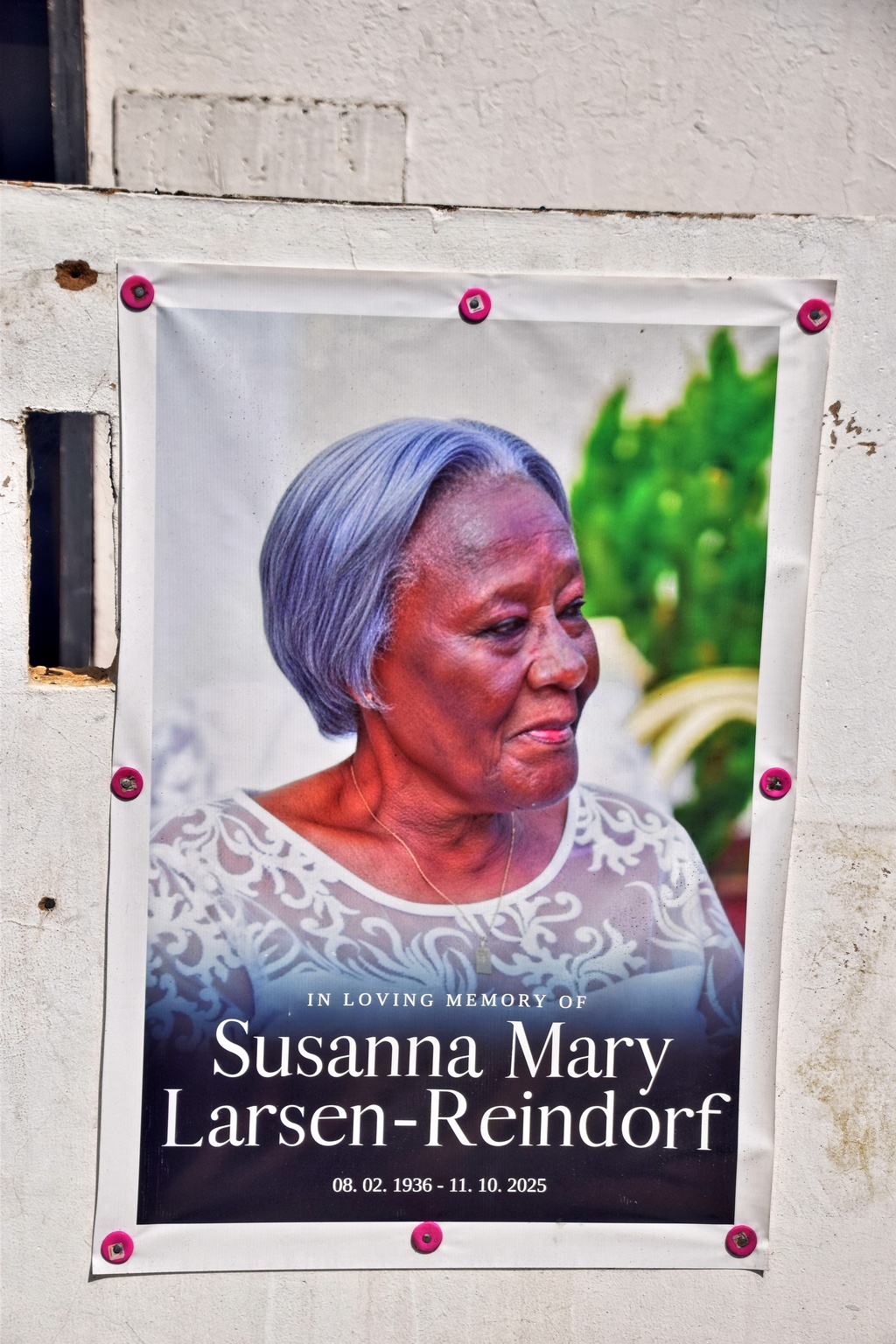
Descendant of a European and Ga relationship, as the name clearly tells. Near Osu Castle. A many descendants of European/Dutch, Danish-Ga, Fante-Dutch/British relationships around the coast of today Ghana. Families still live in their old colonial time houses. (c) Remo Kurka
Ghana and the Transatlantic Slave Trade
A Global System with Local Impact
Between the 1500s and 1800s, millions of Africans were captured, sold, and transported across the Atlantic. Ghana — then known as the Gold Coast — became one of the major hubs of this trade.
European Powers on the Coast
Portuguese (Elmina, 1482)
Dutch (Elmina, Fort Amsterdam, others)
British (Cape Coast Castle, Ussher Fort)
Danes (Osu Castle / Christianborg)
Swedes, Brandenburg‑Prussians, and others
Each power built or expanded forts to control trade routes and enslaved people.
The Human Cost
Enslaved men, women, and children were:
captured in wars or raids
marched long distances
held in dungeons
separated from families
shipped across the Atlantic under brutal conditions
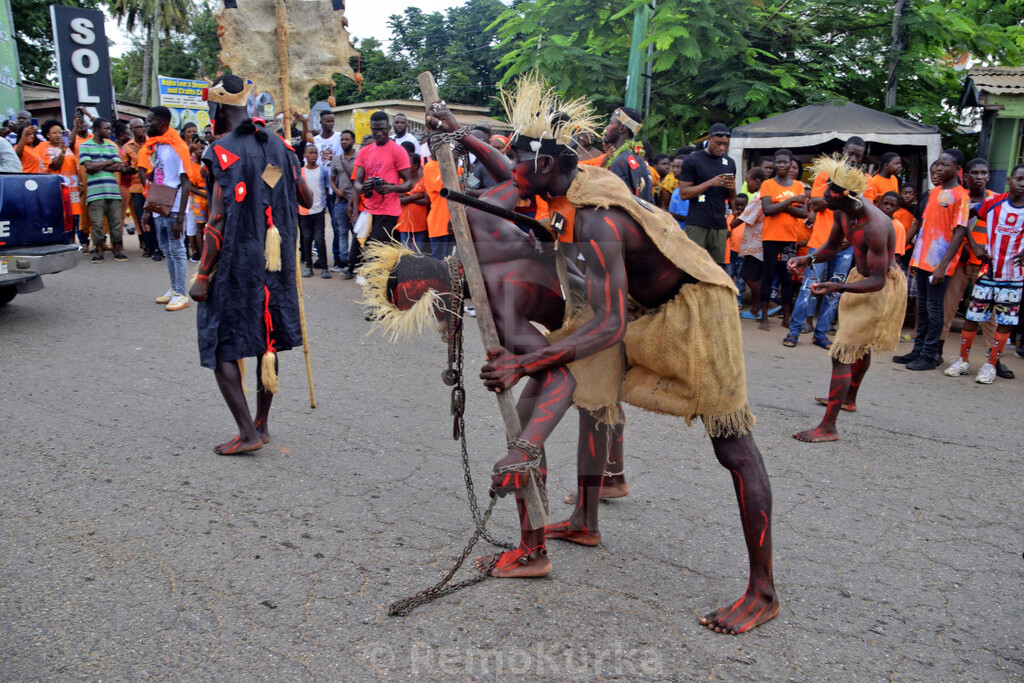
A display and performance of slavery, at Cape coast festival (c) Remo Kurka
Cape Coast Castle — The Door of No Return
Overview
Cape Coast Castle is one of the most visited historical sites in Ghana and a central symbol of the slave trade.
The Dungeons
Thousands of enslaved Africans were held in cramped, airless rooms for weeks or months.
The Door of No Return
The final passageway leading to the slave ships — a powerful emotional experience for visitors today.
Hidden Stories
The governor’s residence was directly above the women’s dungeon
Some enslaved people resisted or attempted escape
Records show baptisms, marriages, and deaths inside the castle
Elmina Castle — The Oldest European Building in Sub‑Saharan Africa
Overview
Built in 1482 by the Portuguese, later taken by the Dutch, Elmina Castle was a major hub of the slave trade.
The Dutch Period
The Dutch West India Company controlled much of the trade in the 1600s and 1700s.
The Female Dungeon & Governor’s Balcony
Women were often selected and abused by European officers — a story often under‑told.
The Chapel Above the Dungeon
A shocking architectural detail: a Christian chapel built directly above the male dungeon.
Osu Castle (Christianborg Castle) — Politics and Slavery Intertwined
Overview
Osu Castle in Accra served as:
a Danish slave trading post
a seat of colonial administration
the office of Ghana’s presidents until the 2000s
Restricted Access
Unlike Cape Coast and Elmina, Osu Castle is not always open to the public. Access depends on:
special tours
heritage programs
academic visits
Hidden Stories
Danish records show detailed logs of enslaved people, a burial ground below the court (300-400 slaves)
The castle was attacked multiple times by local forces
It played a role in both slavery and modern Ghanaian politics
Ussher Fort — A Lesser‑Known Slave Site
Overview
Built by the Dutch and later used by the British, Ussher Fort is often overshadowed by Cape Coast and Elmina.
Why It Matters
Held enslaved Africans before transport
Later used as a colonial prison
Now a museum documenting slavery and human rights
Fort Amsterdam, Fort James & Other Sites
Fort Amsterdam (Abandze)
Known for its brutal conditions and the “Black Hole” dungeon. (A main fort, to deliver slaves to the Caribbean, like Jamaica)
Fort James (Accra)
Later became a British and Ghana prison — still carries the legacy of colonial punishment.
Fort William, (Anamabo, near Cape Coast)
Later became a Ghana prison — still carries the legacy of colonial punishment, a main shipping fort of slaves, purposely build by the British, higher shipping numbers than Cape Coast and Elmina!) The Ashanti attacked the fort 1806, and won!
Other Forts
Fort St. Jago
Fort Good Hope
Fort Metal Cross
Fort Apollonia
Dutch and British Fort`s at Komenda
PramPram - 2 forts
Fort Teshie (last colonial fort, build by the Danish, after 1800)
Richters Fort, finished by 1807, run by a Danish/Ga Mulatto family. Shipped slaves into the late 1840s, via hidden tunnels forward Osu Castle!
Each has its own story of trade, conflict, and human suffering.
The Middle Passage — From Ghana to the Americas
The Journey
Enslaved Africans were shipped to:
Brazil
the Caribbean
North America
Europe
Conditions were horrific:
overcrowding
disease
starvation
violence
Survival and Resistance
Despite unimaginable conditions, many resisted through:
revolts
sabotage
cultural preservation
spiritual practices
Legacy and Memory in Modern Ghana
UNESCO World Heritage Sites
Cape Coast and Elmina Castles were designated in 1979.
Year of Return (2019)
A global movement inviting the African diaspora to reconnect with Ghana.
Education and Healing
Museums, tours, and cultural programs help preserve memory and promote understanding.
Visiting Ghana’s Slave Trade Sites — Practical Tips
Best Time to Visit
Early morning or late afternoon
Weekdays are quieter
What to Expect
Emotional experience
Guided tours recommended
Photography rules vary
Respectful Behaviour
These are memorial sites — quiet reflection is encouraged.
Conclusion
Ghana’s forts and castles are more than historical buildings — they are powerful symbols of human suffering, resilience, and the global impact of the transatlantic slave trade. Visiting these sites offers a deeper understanding of history and a chance to honour the millions who passed through their walls.