
Ghana Museums Guide 2026 and 2027 – Prices, Opening Times & What to See

Ghana is home to some of West Africa’s most significant museums. They preserve the stories of ancient kingdoms, colonial encounters, independence, art, and identity. This guide gives you an updated overview of the most important museums in Ghana — including entrance fees, opening hours, and the highlights you should not miss in 2026.
National Museum of Ghana (Accra)
Overview
The National Museum is Ghana’s oldest and most important cultural institution. Opened in 1957, it showcases archaeology, ethnography, and modern art. After recent renovations, it is one of the most modern museums in West Africa.
Entrance Fees (2026)
Ghanaian adults: approx. 10–20 GHS
Foreign visitors: approx. 50–80 GHS
Students: discounted
Opening Hours
Tuesday–Sunday: 9:00–16:30
Closed on Mondays
Highlights
Akan gold weights
Traditional masks and ritual objects
Modern Ghanaian art
Archaeological finds from 500+ years
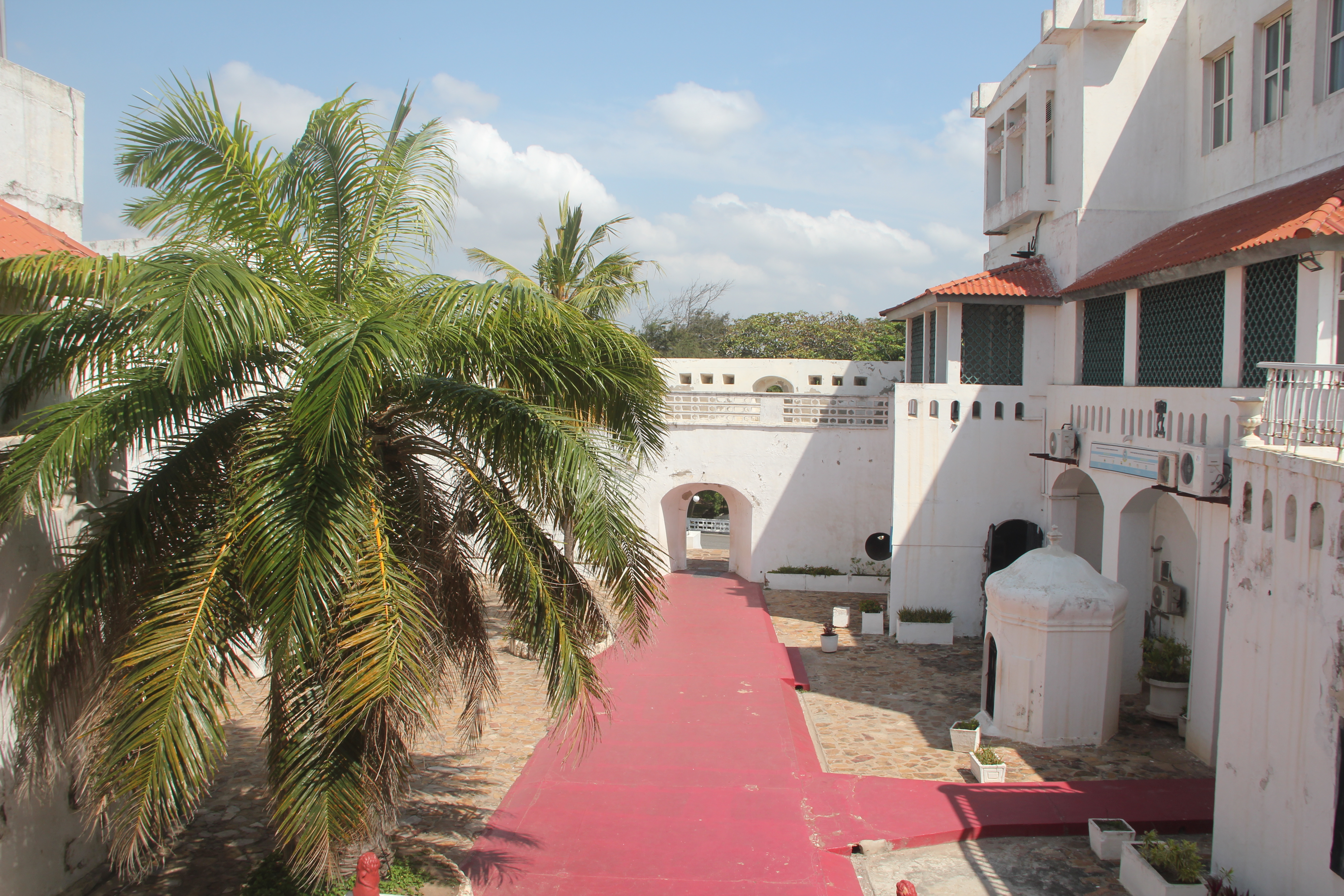
Osu castle, court yard, inside(c) Remo Kurka
Cape Coast Castle Museum
Overview
A UNESCO World Heritage Site and one of the most important museums on the history of the transatlantic slave trade.
Entrance Fees
Ghanaian visitors: approx. 20–30 GHS
Foreign visitors: approx. 60–80 GHS
Opening Hours
Daily: 9:00–17:00
Highlights
The “Door of No Return”
Slave dungeons
Historical documents
Guided tours
Elmina Castle Museum
Overview
Built in 1482 by the Portuguese, Elmina Castle is the oldest European building south of the Sahara. It later came under Dutch and British control.
Entrance Fees
Similar to Cape Coast Castle.
Highlights
Colonial architecture
Artefacts from the slave trade
Panoramic views of the coast
Osu Castle (Christianborg Castle), Accra
Overview
Osu Castle, also known as Christianborg Castle, is a coastal fortress in Accra that has served many roles over the centuries: Danish trading post, seat of colonial administration, and later the office of the President of Ghana. Today, it is a powerful historical site connected to both governance and the transatlantic slave trade.
Entrance Fees
Ghanaian visitors: approx. 20–30 GHS
Foreign visitors: approx. 60–80 GHS
Opening Hours
Daily: 9:00–17:00 (Usually, and via guided tours only)
Historical Significance
Built and expanded by the Danes, then controlled by the Portuguese, Swedes, and British
Former seat of government until the early 2000s
Connected to slave trade routes along the Gulf of Guinea
Symbol of both colonial power and Ghana’s political history
Access & Visits
Osu Castle is not a classic public museum like the National Museum or Cape Coast Castle. Access can be restricted and often depends on:
official tours
special permissions
heritage or academic visits
To mention:
Visitors should check locally in Accra, at the castle, for current access conditions, as opening times and public access can change.
Why It Matters
Links political history and slavery history in one site
Important for understanding Accra’s role in colonial administration
Architecturally and symbolically one of Ghana’s most important coastal forts
Museum of Science and Technology (Accra)
Overview
A popular museum focusing on science, innovation, and technology. Frequently visited by schools and students.
Entrance fees from 10 Cedis to 40 Cedis
Highlights
Interactive exhibits
Ghanaian inventions
Technology history
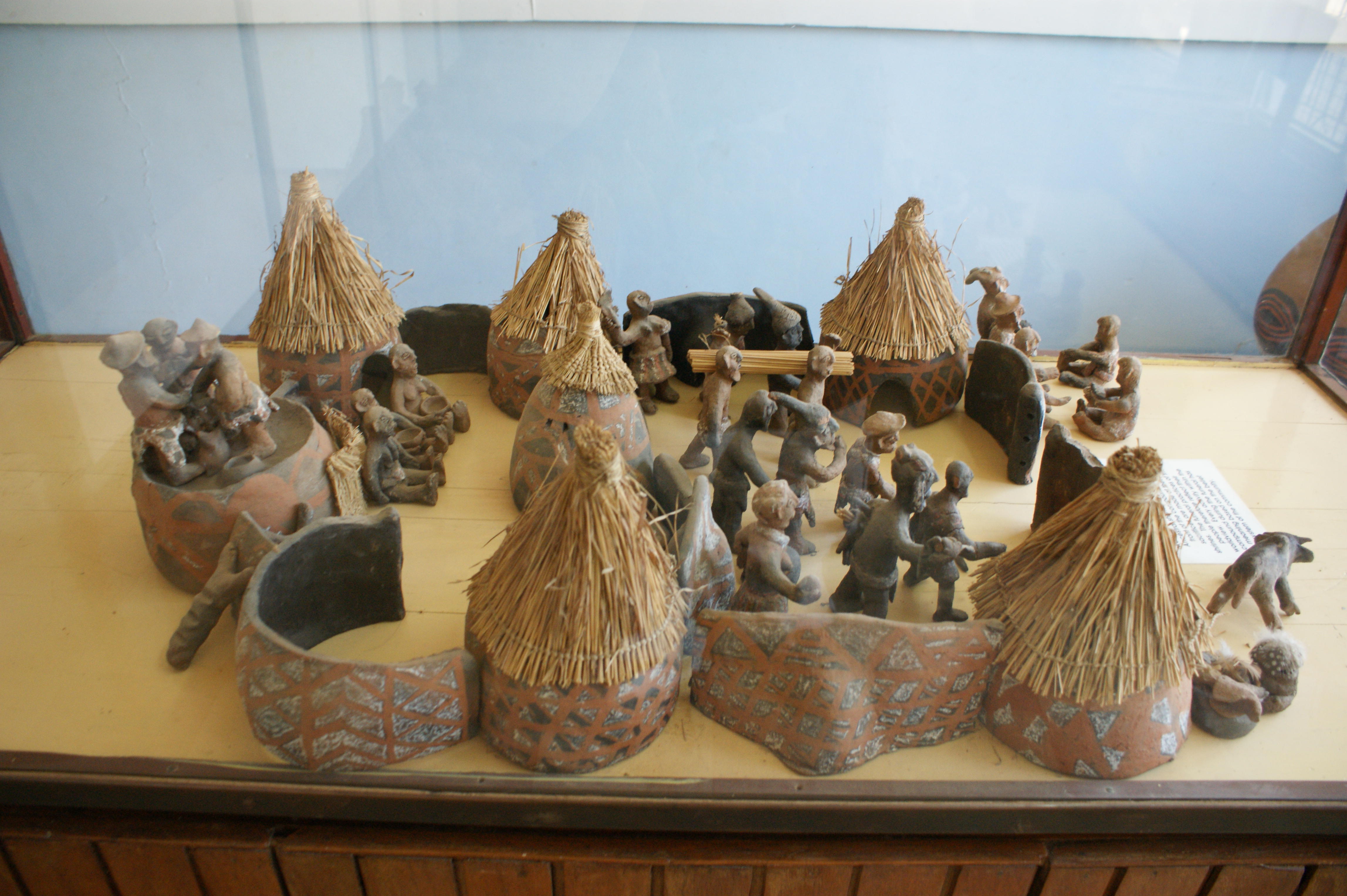
Exhibition at Regional Museum, Bolgatanga, Upper East (c) Remo Kurka
Kwame Nkrumah Mausoleum & Museum
Overview
A national memorial dedicated to Ghana’s first president. The museum is located inside a beautiful park in central Accra.
(10 - 100 cedis).
Highlights
Personal belongings
Photographs and documents
The mausoleum and statue
Manhyia Palace Museum (Kumasi)
Overview
The historical seat of the Ashanti kings. A must‑visit for anyone interested in the Ashanti Empire.
(10 - 100 cedis).
Highlights
Royal artefacts
Traditional clothing
Restored palace rooms
Other Museums Worth Visiting
Ussher Fort Museum (Accra)
Focus on the slave trade and colonial history (10 - 40 cedis).
Volta Regional Museum (Ho)
Culture and history of the Ewe people. (10 - 40 cedis).
Upper East Regional Museum (Bolgatanga)
Traditional architecture and regional art. (10 - 40 cedis).
Tamale Centre for National Culture
Crafts, performances, and cultural exhibitions. (10 - 40 cedis).
Practical Tips for Visiting Museums in Ghana
Best Time to Visit
Early morning or late afternoon
Avoid school groups if possible
Payment Methods
Many museums accept Mobile Money
Cash is always useful
Photography
Often allowed
Sometimes a small fee
Flash usually prohibited
Dress & Behaviour
Respectful clothing
Quiet behaviour in memorial sites
Bring water and sun protection
Conclusion
Ghana’s museums offer deep insights into the country’s history, culture, and identity. Whether you visit the National Museum, Cape Coast Castle, or regional museums, each location tells a unique story. This guide helps you plan your cultural journey through Ghana in 2026.