
Crossing Border Ghana–Ivory Coast: What Travelers Should Know
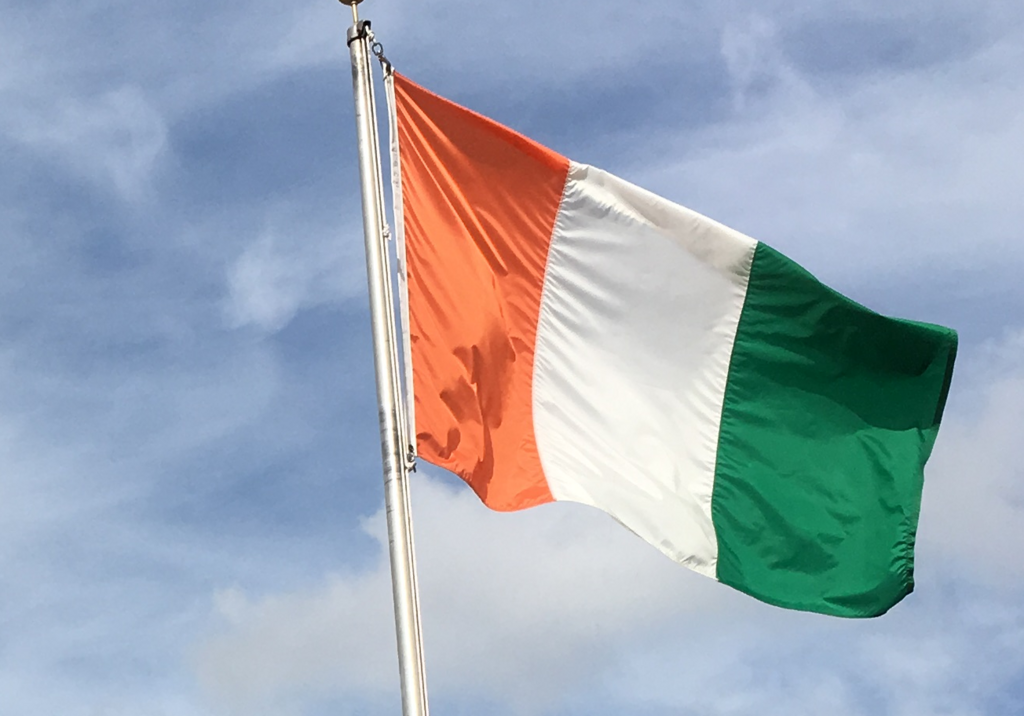
By Remo Kurka –
Ghana and Ivory Coast share one of West Africa’s most important borders — a meeting point between English‑speaking and French‑speaking cultures, between calm coastal towns and the vibrant energy of Abidjan. Crossing between the two countries is straightforward once you know the basics. This guide gives travelers a clear, friendly overview of how the journey works and what to expect on both sides.
Where to Cross the Border
The main and most convenient crossing point is:
Elubo (Ghana) → Noé (Ivory Coast)
The busiest and best‑organized border post
Smooth for tourists, business travelers, and overland explorers
Good road conditions on both sides
Plenty of transport options (buses, shared taxis, private cars)
For travelers heading toward Abidjan, Noé is the ideal entry point. From Elubo, it’s easy to reach Takoradi, Cape Coast, or Accra.
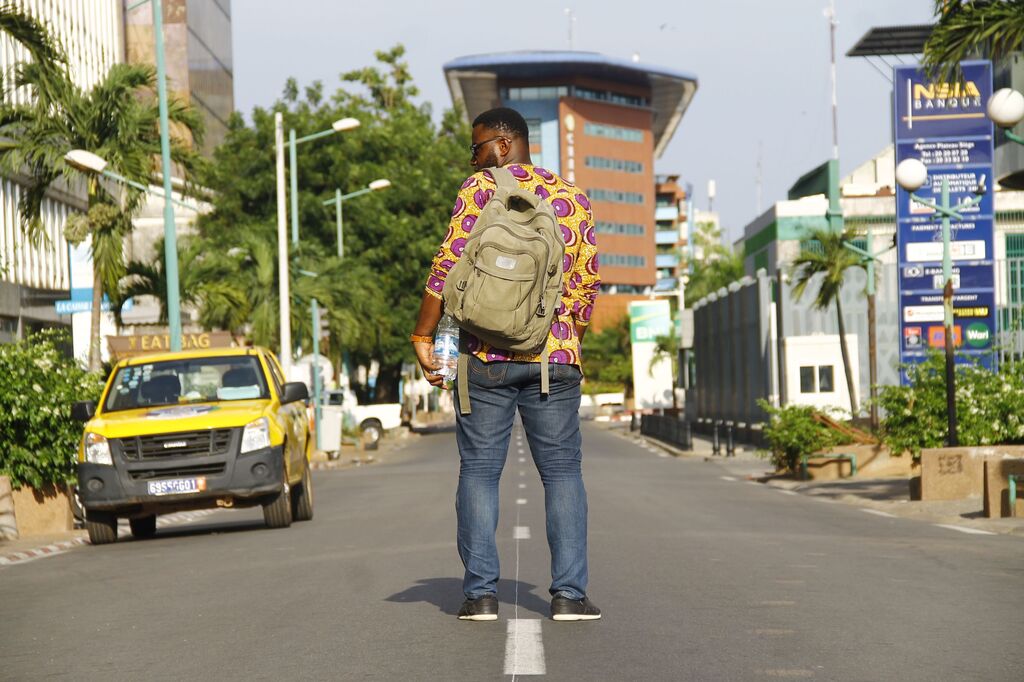
Abidjan, an urban street, Ivory Coast
Ghana Net Sitemap - more Ghana InfoVisa & Entry Requirements
Entering Ivory Coast from Ghana
Most travelers need an Ivory Coast visa
The e‑visa system is efficient and widely used
Ensure your passport has at least 6 months validity
Yellow fever vaccination is required and often checked
Entering Ghana from Ivory Coast
Read below the important parts!
Many nationalities require a Ghana visa
English-speaking officers make the process simple
Yellow fever vaccination is required
Immigration is friendly and organized
Tip: Always carry printed copies of your visa confirmation and vaccination card.
Transport Options
From Ghana to Ivory Coast
STC buses (Accra → Abidjan route, depending on season)
Private cars from Takoradi or Elubo
Shared taxis for short distances
Tour operators for cross-border trips
From Ivory Coast to Ghana
UTA and other bus companies run Abidjan → Noé routes
Taxis and minibuses connect Noé to Abidjan
Private drivers are common and affordable
Travel time:
Elubo → Abidjan: 4–6 hours
Abidjan → Elubo: 4–6 hours
Language & Communication
Crossing this border means moving from an English-speaking country to a French-speaking one.
On the Ghana side
English everywhere
Akan and Nzema widely spoken
Border staff are used to international travelers
On the Ivory Coast side
French is essential
Many people speak basic English
Border towns often use local languages shared across the region
Tip: Learn a few French basics — they go a long way in Ivory Coast.
Money, SIM Cards & Practical Tips
Currency
Ghana: Ghana Cedi (GHS)
Ivory Coast: West African CFA Franc (XOF)
Money changers available at the border
ATMs are more reliable in major cities (Takoradi, Abidjan)
SIM Cards
Ghana: MTN, Vodafone
Ivory Coast: Orange, MTN
Buy SIM cards in the nearest town rather than at the border for better prices
Safety
The border area is busy but safe
Keep your documents secure
Avoid unofficial “helpers” offering shortcuts
Road Conditions & Travel Experience
Ghana side
Good roads from Takoradi to Elubo
Calm traffic
Organized checkpoints
Ivory Coast side
Smooth roads from Noé to Abidjan
More traffic as you approach the city
Efficient police and customs posts
Overall: The Ghana–Ivory Coast crossing is one of West Africa’s most comfortable overland routes.
Who Is This Route Perfect For?
Backpackers exploring multiple West African countries
Diaspora travelers wanting to see both Ghana and Ivory Coast
Business travelers moving between Accra and Abidjan
Beach lovers heading to Assinie, Grand-Bassam, Ada, or Axim
Culture explorers interested in contrasting traditions and languages
Final Tips for a Smooth Crossing
Start early in the morning
Carry printed visa documents
Keep small cash for transport
Be patient at checkpoints
Respect local customs and officers
Enjoy the journey — it’s one of the most scenic coastal corridors in West Africa