
Accra Cultural Centre: Where the Heart and Soul of Ghana Come Alive
By Remo Kurka – There are places you visit because they're famous.
And then there are places you remember because they make you feel connected.
For me, the Accra Cultural Centre has always belonged to the second category.
Whenever I walk through its courtyards, hear the rhythmic sound of drums drifting through the air, watch artisans patiently carving wood by hand or smell freshly woven baskets and polished leather, I'm reminded that Ghana's culture isn't something locked away behind museum glass.
It's alive.
It breathes.
It welcomes you.
Located in the heart of Accra, just a short walk from Makola Market and Independence Avenue, close to Kwame Nkrumah Memorial park, the Accra Cultural Centre remains one of the city's most rewarding places for anyone who wants to discover authentic Ghanaian art, crafts and traditions.
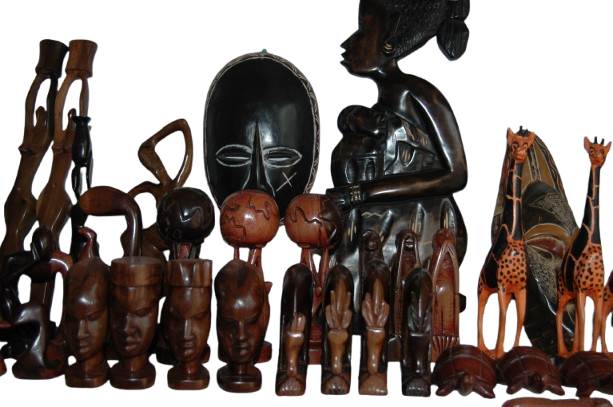
Wooden Arts, Accra Arts Centre (c) Remo kurka
Ghana Net SitemaP - more Ghana InfoMore Than a Tourist Attraction
Many first-time visitors assume the Cultural Centre is simply a market for souvenirs.
That couldn't be further from the truth.
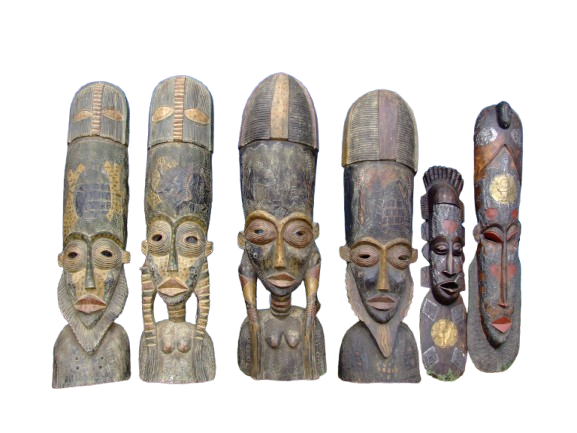
Yes, you'll find beautifully carved stools, colourful Kente cloth, handmade jewellery, paintings, masks and sculptures.
But you'll also discover artists creating these pieces before your eyes.
Watching a master craftsman transform an ordinary block of wood into an elegant Ashanti stool is an experience no souvenir shop can ever offer.
Here, craftsmanship is not a performance.
It's everyday life.
A Celebration of Ghanaian Creativity
One of the greatest strengths of the Accra Cultural Centre is its incredible diversity.
Artists and craftsmen from different regions of Ghana bring their own traditions together in one place.
As you wander through the centre you'll encounter:
- Traditional wood carvings
- Authentic Kente weaving
- Bead making
- Leather products
- Brass casting
- Colourful paintings
- Handmade musical instruments
- Beautiful baskets from northern Ghana
- Contemporary African artwork
Every workshop tells a different story.
Every artist has something to share.
Meet the People Behind the Art
One of my favourite things about visiting the Cultural Centre isn't shopping.
It's talking.
Many of the artists genuinely enjoy explaining their work, where they learned their craft, and what the symbols carved into their sculptures actually mean.
Spend a few extra minutes asking questions.
You'll leave with much more than a purchase—you'll leave with a story.
And stories are what travel should really be about.
Traditional Drumming and Dance
Depending on when you visit, you may be lucky enough to witness traditional drumming and dance performances.
The powerful rhythms of Ghanaian percussion fill the open spaces while dancers perform movements passed down through generations.
For visitors seeing these performances for the first time, it often becomes one of the highlights of their stay in Accra.
These performances remind us that Ghana's culture has never been static.
It continues to evolve while remaining deeply connected to its roots.
The Perfect Place to Buy Authentic Souvenirs
If you're looking for genuine Ghanaian souvenirs, this remains one of the best places in Accra.
Instead of mass-produced imports, many items here are handmade by local artisans.
Popular purchases include:
- Hand-carved masks
- Traditional Ashanti stools
- Kente cloth
- Beaded jewellery
- African drums
- Wooden animals
- Paintings
- Handmade leather bags
- Brass ornaments
- Woven baskets
Remember that friendly bargaining is part of the shopping experience.
Negotiate with respect, smile often, and you'll usually reach a price that leaves everyone happy.
A Photographer's Paradise
Few places in Accra offer so many colours in such a compact space.
Bright textiles hang from every corner.
Intricate carvings catch the afternoon sunlight.
Artists work patiently in open workshops while visitors browse through narrow walkways filled with handcrafted treasures.
Whether you're carrying a professional camera or simply your smartphone, the Cultural Centre offers endless photographic opportunities.
Just remember to ask permission before taking close-up portraits of artisans at work.
Most will happily agree.
Why I Keep Coming Back
I've visited Ghana for more than twenty-five years.
I've watched Accra transform from a relatively quiet West African capital into one of Africa's fastest-growing cities.
New shopping malls appear.
Luxury hotels rise higher every year.
Modern developments continue to reshape the skyline.
Yet the Accra Cultural Centre remains wonderfully familiar.
It still offers something increasingly rare in today's fast-moving world: genuine human connection.
No shopping mall can replace a conversation with a woodcarver whose family has practised the same craft for generations.
No online marketplace can replicate the feeling of holding a handmade object while listening to the story of the person who created it.
That is what makes this place special.
Tips for Visiting the Accra Cultural Centre
To make the most of your visit:
- Allow at least one to two hours to explore.
- Carry some cash for smaller purchases.
- Take your time and talk with the artisans.
- Ask before photographing people.
- Compare prices between different stalls.
- Don't rush—half the experience is simply wandering around.
A Place That Deserves More Recognition
The Accra Cultural Centre isn't the newest attraction in Ghana.
It isn't the most luxurious.
And it certainly isn't the most heavily advertised.
But it remains one of the best places to experience the creativity, warmth and entrepreneurial spirit that define Ghana.
For anyone who wants to take home more than just photographs, this is where your journey should begin.
You'll leave carrying a handcrafted souvenir.
But more importantly, you'll leave carrying a deeper appreciation for the people whose talent, patience and traditions continue to keep Ghana's rich cultural heritage alive.
And in my opinion, that's worth far more than anything you could ever buy in a shopping mall.
Akwaaba — welcome to the living heart of Ghanaian culture.