
The Road to Independence: Britain & the Birth of Ghana (1945–1957)
Ghana Independence 1957 | The Road from British Rule to Freedom
Introduction
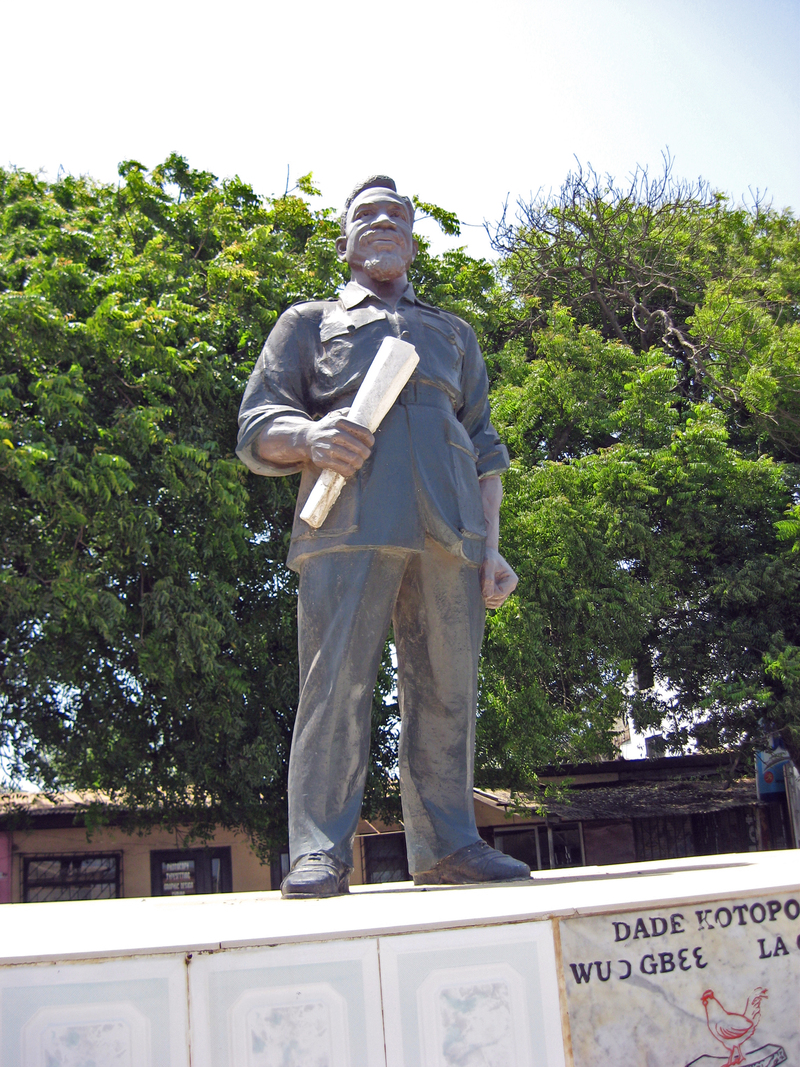
Photo Header: Sergeant Adjetey, also stands for Corporal Attipoe, and Private Odartey Lamptey. Article by Remo Kurka -
The journey toward Ghana’s independence was one of the most important political movements in twentieth-century Africa. After decades of British colonial rule, the people of the Gold Coast increasingly demanded the right to govern themselves and determine their own future.
The period between 1945 and 1957 was marked by political awakening, mass mobilisation, protests, constitutional reforms, and negotiations between African leaders and the British government. At the centre of this transformation was Kwame Nkrumah, whose vision of independence inspired thousands of workers, students, farmers, and ordinary citizens to join the struggle for self-rule.
The path to independence was not peaceful or straightforward. It included economic frustrations, public demonstrations, colonial repression, imprisonment of nationalist leaders, and intense political debate about the future of the country.
On 6 March 1957, the Gold Coast became the independent nation of Ghana, becoming the first sub-Saharan African country to achieve independence from colonial rule. The moment represented not only the birth of a new nation but also a powerful symbol of African liberation movements across the world.
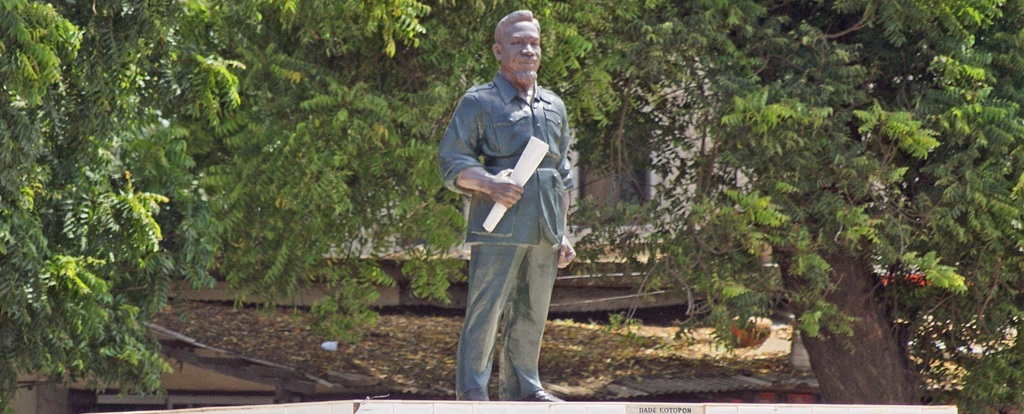
Photo of Sergeant Adjetey Statue at La Accra (Now removed!), Corporal Attipoe, and Private Odartey Lamptey, Ghana (c) documented by Remo Kurka
The Impact of World War II on African Nationalism
The Second World War transformed political attitudes throughout the British Empire.
Thousands of soldiers from the Gold Coast served in the British armed forces during the war, fighting in campaigns across Africa, Asia, and other parts of the world. Many returned home with new expectations. They had fought for freedom abroad, yet returned to a colonial system where Africans had limited political rights in their own country.
The post-war period also brought economic difficulties. Rising prices, unemployment, and shortages created frustration among workers and families. Many people questioned why the Gold Coast, despite producing valuable resources such as cocoa and gold, remained under foreign rule.
Across Africa, a new generation of educated leaders began demanding greater political participation and eventual independence. The Gold Coast became one of the leading centres of this growing movement.
The Rise of the United Gold Coast Convention
In 1947, the United Gold Coast Convention (UGCC) was founded by a group of educated Africans, lawyers, businessmen, and traditional leaders who wanted constitutional reform and eventual self-government.
Important figures within the UGCC included:
- J. B. Danquah
- George Grant
- Edward Akufo-Addo
- William Ofori Atta
- Emmanuel Obetsebi-Lamptey
The organisation sought a strong political organiser who could mobilise public support. In 1947, Kwame Nkrumah was invited to become the UGCC’s General Secretary.
Nkrumah had studied in the United States and Britain, where he developed strong Pan-African ideas and became influenced by global anti-colonial movements.
His arrival changed the character of the independence movement. While many UGCC leaders favoured gradual constitutional progress, Nkrumah believed that Africans should achieve self-government as quickly as possible.
The 1948 Accra Riots and Colonial Shootings
One of the defining moments in Ghana’s independence struggle occurred on 28 February 1948.
Following the Second World War, many African ex-servicemen felt they had been forgotten by the colonial government despite their military service. A group of unarmed veterans organised a peaceful march in Accra to present a petition demanding better treatment and recognition.
As the demonstrators approached the colonial authorities near Christiansborg Castle, British police opened fire.
Three veterans were killed:
- Sergeant Adjetey
- Corporal Attipoe
- Private Odartey Lamptey
The shootings caused widespread anger throughout the Gold Coast. Protests spread across Accra and other towns, with many people expressing frustration at colonial rule.
The British authorities declared a state of emergency and arrested several nationalist leaders, including Kwame Nkrumah and other UGCC figures. These leaders became known as the “Big Six” in Ghanaian history.
The events of 1948 became a turning point. Many people who had previously supported gradual reform began demanding immediate independence.
Kwame Nkrumah’s Detention at Fort James
Following the unrest of 1948, Kwame Nkrumah and other nationalist leaders were detained by the colonial authorities.
For a short period, Nkrumah was held at Fort James in Accra, a historic British fort originally constructed during the era of European coastal competition and later used for colonial administration and detention.
The imprisonment of Nkrumah did not weaken his popularity. Instead, it increased public sympathy for him and strengthened his image as a leader willing to challenge British authority.
After his release, political differences between Nkrumah and the UGCC leadership became more pronounced. Nkrumah believed that independence could not wait and that ordinary people should be directly involved in the struggle.
These disagreements eventually led to the creation of a new political movement.
The Formation of the Convention People’s Party
In 1949, Kwame Nkrumah founded the Convention People’s Party (CPP).
The party adopted the famous slogan:
“Self-government now.”
Unlike earlier political organisations that were mainly led by educated elites, the CPP created a mass movement involving workers, farmers, young people, women, and trade unions.
The CPP used new forms of political organisation, including:
- Large public rallies.
- Newspapers and political publications.
- Youth movements.
- Labour organisations.
- Community campaigns.
Nkrumah argued that independence should belong to the entire population, not only a small educated class.
The CPP quickly became the most popular political force in the Gold Coast.
The Positive Action Campaign and Imprisonment
In January 1950, Nkrumah launched the Positive Action campaign.
The campaign involved strikes, boycotts, and peaceful protests designed to pressure Britain into accelerating constitutional reform.
The colonial government responded by arresting Nkrumah and other CPP leaders.
Nkrumah was sentenced to imprisonment because of his role in organising the campaign. However, his imprisonment only increased his popularity among supporters.
For many people, Nkrumah became a symbol of resistance against colonial authority. His imprisonment demonstrated the growing conflict between British rule and the demand for immediate independence.
Kwame Nkrumah at Fort James and Fort Ussher
Following his conviction, Kwame Nkrumah spent approximately one year imprisoned at Fort Ussher in Accra, after a brief detention at Fort James.
Fort Ussher had originally been built by the Dutch in the seventeenth century before later becoming part of British-controlled coastal administration. Like several other colonial forts, it served multiple purposes over time, including military functions and imprisonment.
During his detention, Nkrumah was held in the Upper Single Cell, a small and isolated prison room within the fort.
The period at Fort Ussher became an important chapter in Nkrumah’s political development. Rather than weakening his influence, imprisonment strengthened his connection with supporters throughout the Gold Coast.
The image of a nationalist leader imprisoned by colonial authorities became a powerful symbol of the independence struggle.
Constitutional Reform and the Final Steps Toward Independence
The unrest of 1948 and the growing strength of nationalist movements forced Britain to reconsider its approach to colonial government.
A new constitution was introduced in 1951, expanding African participation in political decision-making.
The CPP won a major electoral victory, and Nkrumah was released from prison to become Leader of Government Business. He later became Prime Minister as the Gold Coast moved closer toward independence.
Although negotiations between Britain and Ghanaian political leaders continued, the direction was clear. Colonial rule was coming to an end.
The Birth of Ghana on 6 March 1957
At midnight on 6 March 1957, the Gold Coast officially became the independent nation of Ghana.
The name Ghana was chosen to connect the new country with the ancient Ghana Empire of West Africa and symbolise a proud African historical identity.
The independence celebrations in Accra attracted international attention. Leaders and representatives from around the world witnessed the creation of the first independent sub-Saharan African nation of the modern era.
Kwame Nkrumah became Ghana’s first Prime Minister and delivered a message that Ghana’s freedom would only have meaning if it contributed to the liberation of Africa as a whole.
The independence of Ghana inspired anti-colonial movements across the continent.
Britain and the End of Colonial Rule
Ghana’s independence reflected a wider transformation taking place across the world.
After the Second World War, European colonial powers faced increasing pressure from nationalist movements, international organisations, and changing political attitudes.
Britain gradually accepted that colonial rule could not continue indefinitely.
The independence of Ghana became a model for other African countries seeking freedom from European rule. Within the following decades, many African nations achieved independence.
The Legacy of Ghana’s Independence Movement
The independence movement created a powerful national identity and established Ghana as a symbol of African self-determination.
The struggle demonstrated the importance of:
- Mass political participation.
- Organised movements.
- Education and political awareness.
- Strong leadership.
- Public pressure combined with negotiation.
The events of 1948, the imprisonment of Kwame Nkrumah, and the rise of the CPP remain central parts of Ghana’s national story.
Historic locations such as Fort James and Fort Ussher preserve these connections between colonial history and the independence movement.
Challenging the British Empire
The road to Ghana’s independence was shaped by determination, political organisation, sacrifice, and the desire for self-rule. From the aftermath of World War II to independence in 1957, the people of the Gold Coast transformed their society and challenged one of the world’s most powerful empires.
The 1948 shootings, Kwame Nkrumah’s detention at Fort James, his imprisonment at Fort Ussher, and the growth of the Convention People’s Party were defining moments in the struggle for freedom.
On 6 March 1957, Ghana’s independence marked the end of British colonial rule and the beginning of a new era of African self-government. The achievement became not only a national victory but also a historic milestone for the wider African liberation movement.