
The British Arrival on the Gold Coast (1550–1800)
How Early Trade Shaped the Future of Ghana
Introduction
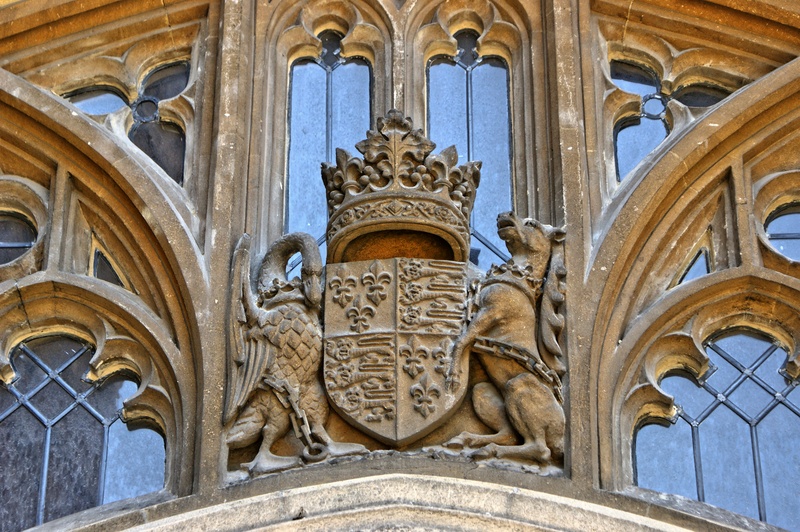
Photo Header: Windsor Castle Crown. Article by Remo Kurka - Long before the British Empire formally claimed control over what is now Ghana, British merchants had already established a significant presence along the West African coast. Their arrival during the mid-sixteenth century marked the beginning of a relationship that would evolve over more than 300 years—from commercial partnerships and fierce European competition to colonial rule and profound political, economic, and cultural change.
The region, historically known as the Gold Coast, was one of the most valuable trading areas in West Africa. Rich in natural resources and strategically positioned along the Atlantic Ocean, it attracted European powers eager to profit from international trade. Although Britain was not the first European nation to reach the Gold Coast, it would eventually become the dominant foreign power, laying the foundations for the colonial state that later became modern Ghana.
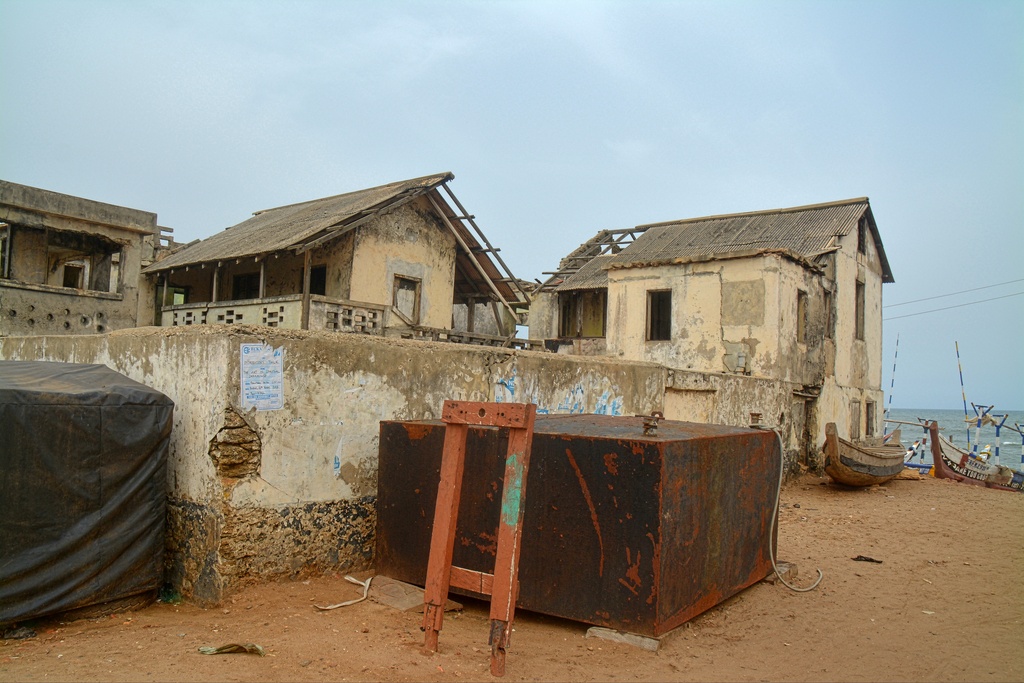
British build fort at Prampram, Ghana (c) documented by Remo Kurka
The Gold Coast Before the British
Before European ships appeared on the Atlantic horizon, the Gold Coast was home to flourishing African kingdoms and trading networks. Powerful states such as the Akan kingdoms—including Denkyira, Akwamu, Fante, and later the Asante Empire—controlled extensive trade routes connecting the forests of West Africa with the Sahel and beyond.
Gold from these kingdoms was already highly prized across Africa and the Mediterranean world. Local rulers managed sophisticated systems of governance, diplomacy, and commerce, exchanging gold, kola nuts, textiles, salt, and other valuable goods with neighboring regions. European traders entered an already thriving commercial landscape rather than creating one.
Britain's First Arrival on the Gold Coast
British traders first began visiting the Gold Coast around the middle of the sixteenth century, although Portuguese sailors had reached the coast nearly a century earlier in 1471. Initially, English merchants made only occasional voyages, hoping to purchase gold, ivory, pepper, and other valuable commodities.
At the time, England was expanding its maritime ambitions and seeking opportunities to compete with established European trading powers. The Atlantic world was becoming increasingly important, and West Africa occupied a central position within emerging global trade routes.
Early British merchants relied heavily on negotiations with African rulers and coastal communities. European traders generally could not acquire land or conduct business without local permission. African leaders remained influential partners who negotiated trade agreements, regulated commerce, and often determined which European nations could operate within their territories.
Competition Among European Powers
The Gold Coast soon became one of the most competitive regions in Africa. Several European powers established forts and trading posts along the coastline, each seeking control over valuable trade.
These included:
- Portugal, the first European power to establish permanent trading settlements.
- The Netherlands (Dutch Republic), which gradually displaced much of Portuguese influence.
- Denmark-Norway, which established several coastal forts.
- Sweden, which briefly maintained trading interests.
- Britain, which steadily expanded its commercial presence throughout the seventeenth and eighteenth centuries.
Rather than conquering the interior, these European nations concentrated on coastal fortifications that protected warehouses, merchants, and trade routes. The coastline eventually became dotted with dozens of castles and forts, making it one of the most heavily fortified trading regions in the world.
British Trading Forts and Castles
As British trade increased, permanent forts became essential for protecting commercial interests. Throughout the seventeenth century, Britain either built or acquired several coastal forts.
Among the most important were:
- Cape Coast Castle, which eventually became Britain's principal administrative and commercial headquarters.
- Fort James in Accra.
- Fort William at Anomabu.
- Additional smaller forts and trading lodges scattered along the coastline.
These forts served multiple purposes. They functioned as warehouses, military defenses, diplomatic centers, and later as prisons for enslaved Africans awaiting transportation across the Atlantic.
Many of these structures still stand today and remain powerful reminders of one of history's darkest periods.
From Gold and Ivory to the Atlantic Slave Trade
During the earliest years of British involvement, gold remained the primary commodity. European demand for West African gold was immense, and merchants competed fiercely for access to local supplies.
Over time, however, the nature of trade changed dramatically.
By the seventeenth century, the Atlantic slave trade had become one of Britain's most profitable enterprises. British merchants increasingly purchased enslaved Africans from local intermediaries and transported them across the Atlantic to plantations in the Caribbean and the Americas.
This horrific system became part of the broader triangular trade:
- Manufactured goods left Britain for Africa.
- Enslaved Africans were transported across the Atlantic during the Middle Passage.
- Plantation products such as sugar, cotton, and tobacco returned to Britain.
Millions of Africans suffered under this brutal trade, and the Gold Coast became one of its major centres. While African political dynamics played a role in supplying captives, European demand drove the enormous expansion of the trade.
Relationships with African Kingdoms
British influence during this period depended heavily on cooperation with African rulers. European traders rarely ventured far inland and instead relied upon local political authorities to facilitate commerce.
Relationships were often based on treaties, alliances, diplomacy, and mutual economic interests. However, they could also become hostile when commercial disputes arose.
Powerful states such as the Fante Confederacy frequently acted as intermediaries between European merchants and inland kingdoms. Later, the rise of the Asante Empire transformed regional politics, as British traders sought to maintain access to valuable trade routes while navigating shifting alliances and conflicts.
This period demonstrates that African leaders were active participants in shaping events rather than passive observers of European expansion.
Growing British Influence
Although Britain did not yet govern the Gold Coast as a formal colony, its influence steadily increased throughout the eighteenth century.
British merchants accumulated wealth through trade, strengthened diplomatic ties with coastal rulers, and expanded their network of forts. Military protection of commercial interests became increasingly common, and British officials gradually assumed greater authority over coastal affairs.
By the late eighteenth century, Britain had emerged as one of the dominant European powers on the Gold Coast, setting the stage for formal colonial expansion during the nineteenth century.
Lasting Legacy
The British arrival on the Gold Coast transformed the region in lasting ways. Early commercial relationships introduced new goods, technologies, and international connections, but they also contributed to centuries of exploitation through the Atlantic slave trade.
The forts built during this era later became symbols of colonial administration, while British economic interests eventually evolved into direct political control. These developments profoundly influenced Ghana's legal systems, education, language, infrastructure, and international relationships.
Understanding this early period helps explain how commercial ambitions gradually evolved into imperial rule and why the legacy of colonialism continues to shape modern Ghana.
The African Kingdoms
The British arrival on the Gold Coast between 1550 and 1800 was not a single event but a gradual process driven by commerce, competition, and strategic ambition. What began as trade in gold and ivory eventually expanded into one of history's largest systems of human exploitation before evolving into political domination.
Yet throughout this period, African kingdoms remained powerful actors, negotiating, resisting, and adapting to changing circumstances. Their decisions, alliances, and resilience played a crucial role in shaping the history of the Gold Coast.
The story of Britain's early presence in Ghana is therefore one of opportunity and conflict, prosperity and suffering, cooperation and resistance. It marks the beginning of a complex historical journey that would ultimately lead to colonial rule, independence in 1957, and the emergence of modern Ghana.